
Study methods
Articles tagged Study methods across Chinese, Japanese, and Korean.
Switch language.
Articles.
Chinese Measure Word Guide
A clear guide to common Mandarin measure words, when 个 works, and when a noun usually prefers something more specific.
Japanese Particles Guide
A plain-language guide to core Japanese particles such as は, が, を, に, で, と, and も, with examples and comparison notes.
Korean Particles Guide
A plain-language guide to Korean particles such as 은/는, 이/가, 을/를, 에, 에서, and (으)로, with examples and use notes.
Minimal Pair Pronunciation Lab
Hear Mandarin consonant and final contrasts, Korean plain-tense-aspirated sets, and the Japanese r-like sound in one place.
JLPT Levels Explained
A plain-language guide to what JLPT N5, N4, N3, N2, and N1 actually mean for Japanese learners.
TOPIK Levels Explained
A clean guide to how TOPIK I and TOPIK II map onto Korean proficiency levels and what the scores are used for.
HSK Levels Explained
A beginner-friendly explanation of HSK levels, what HSKK is, and why people also mention a newer HSK 3.0 framework.
First 100 Chinese Characters
A usefulness-first explorer for the first hundred Chinese characters that matter most early in reading and beginner study.
Sino-xenic Vocabulary Explorer
See one character or compound across Mandarin, Japanese, and Korean readings, meanings, and script forms.
Stroke Order Practice Sheets Generator
Generate printable practice sheets for kana, hangul, and beginner hanzi with guide squares ready to print.
Hangul Block Builder
Assemble Korean syllable blocks from consonant and vowel pieces and watch how modern Hangul stacks them into one written syllable.
Chinese Tone Pair Trainer
Practice tricky Mandarin tone combinations such as 2-3, 3-3, and 4-4 with real two-syllable audio examples.
Kana Typing Trainer
Drill core hiragana and katakana by sound, romanization, and script conversion in a compact typing trainer.
How To Write Japanese Hiragana and Katakana
A beginner guide to the Japanese kana charts, basic pronunciation, and full kana stroke-order reference.
How To Read and Write Korean Hangul
A plain-language introduction to Hangul consonants, vowels, syllable blocks, and full letter stroke-order reference.
Chinese Tones Explained With Audio
A beginner explanation of Mandarin tones, contour numbers, and same-syllable examples that change meaning by tone.
Why Chinese Characters Aren’t Just Pictures
A learner-oriented essay on why the pictograph myth is misleading, how Chinese writing actually works, and why characters are better understood as historical morphosyllabic signs.
Mandarin Sentence-Final Particles Explained
A learner-oriented essay on Mandarin sentence-final particles, what they do in conversation, and why they cannot be reduced to a few loose translation labels.
Japanese に vs で vs へ Explained
A learner-oriented essay on how Japanese location and direction particles divide labor across destination, location, route, and event framing.
Korean Speech Levels and Honorifics Explained
A learner-oriented essay on Korean speech levels, honorific marking, and how grammar tracks social relation in everyday usage.
Ryukyuan Languages and Why They Are Not Just “Okinawan Dialect”
The reader can understand why Ryukyuan languages deserve treatment as related languages, not simply “Okinawan dialect.”
Reading Korean Government Document Headers and Seal Language
The reader can read Korean government-document headers, routing labels, and seal language as a bureaucratic genre.
Confucian Terms Across East Asia: 仁, 義, 礼, 孝, and Their Afterlives
The reader can trace Confucian ethical vocabulary across Chinese, Japanese, and Korean cultural and political language.
The Vocabulary of Evaluation: 好, 优, 强, 稳, 高质量
The reader can read evaluative language in reviews, policy, business, education, and product copy without treating all positive words as simple praise.
From Flashcards to Literacy: When Korean Study Must Leave the Card
The reader can tell when flashcards are useful and when Korean learning must move into extended reading, listening, writing, and task performance.
Reading Chinese Stock Market News: 涨停, 跌停, 主力, 北向资金
The reader can read Chinese stock-market reporting and separate market shorthand, metaphor, rumor language, and data claims.
Sino-Korean Readings as Fossils of Chinese Sound History
The reader can use Sino-Korean readings to notice historical sound families without treating them as direct Mandarin pronunciation rules.
Modal Verbs: 想, 要, 应该, 得, 必须, 可以, 能, 会
The reader can distinguish desire, intention, obligation, necessity, permission, ability, and learned skill in Mandarin modal verbs.
How to Read a Chinese Article in Three Passes
The reader can use a structured three-pass method to read Chinese articles for gist, argument structure, vocabulary, and reusable language.
The Language of Imperial Eras: Meiji, Taishō, Shōwa, Heisei, Reiwa
The reader can interpret imperial era names as time vocabulary, political-cultural symbols, and document conventions.
Japanese Set Phrases That Function Like Grammar
The reader can recognize fixed phrases that behave like grammar by setting expectations, relations, and discourse moves.
Pronunciation Problems That Survive N1
The reader can diagnose advanced pronunciation issues that persist after strong grammar and vocabulary knowledge.
Academic Paper Korean: 선행연구, 방법, 결과, 논의
The reader can read Korean academic papers by identifying section structure, research question, prior research, method, results, discussion, data, limitations, significance, and cautious claim language.

Why Japanese Has So Many Ways to Write the Same Word
The reader can understand orthographic choice as a register and style decision: kanji, kana, katakana, and mixed spelling can all be legitimate.
Designing a Korean Error Corpus From Your Own Mistakes
The reader can turn personal Korean mistakes into a searchable error corpus that reveals patterns and supports targeted improvement.
Platform Regulation Korean: 이용약관, 삭제, 신고, 모니터링
The reader can approach Korean platform moderation and regulation language by identifying terms of use, deletion, reporting, monitoring, sanctions, account suspension, takedown, explanation/appeal, and operating...
Chinese Verbs That Translate as “Make”: 做, 制作, 造成, 使, 令
The reader can choose among Mandarin verbs that English often collapses into “make.”
Reading Japanese Patent Claims: 請求項, 発明, 実施例, 効果
The reader can navigate Japanese patent claims and tell the difference between invention scope, embodiment, effect, and explanatory background.
A Serious Learner’s Guide to Japanese Dictionaries
The reader can choose and use Japanese dictionaries for words, kanji, pitch accent, collocations, classical forms, domain terms, and learner-level explanations.
How to Build a Hanja-Aware Korean Vocabulary Notebook
The reader can use Hanja roots to organize Korean vocabulary without turning Korean study into unfocused character memorization.
Education Vocabulary: 学段, 招生, 培训, 课程, 素养
The reader can navigate Chinese education-related writing, from school notices to policy, tutoring ads, admissions pages, and curriculum documents.
Mortgage Korean: 금리, 원금, 상환, 신용등급
The reader can approach Korean mortgage and loan language by identifying interest rate type, principal, repayment method, collateral, credit grade, loan limit, fees, screening, and total cost signals.
Survey Japanese: 質問票, 属性, 回答率, 分析
The reader can read Japanese survey language around questionnaires, attributes, response rates, analysis, scales, and respondent categories.
Building a Japanese Reader Workflow From News, Essays, Manga, and Forms
The reader can build a Japanese reading workflow that balances news, essays, manga, forms, and domain documents instead of relying on one genre.
Japanese Product Manuals: 安全上の注意, 手順, 故障かなと思ったら
The reader can read Japanese product manuals by understanding warning hierarchy, setup steps, troubleshooting, and maintenance language.
Education Policy Chinese: 招生, 学籍, 双减, 素质教育
The reader can understand Chinese education-policy language in school notices, admissions materials, government rules, and media reporting.
Old Korean to Modern Korean: What Serious Learners Should Know
The reader can place Korean language history on a usable timeline and understand why historical orientation helps modern reading without turning every lesson into reconstruction.
Japanese Words China Borrowed Back: Society, Economy, Science, Philosophy
The reader can identify Japanese-coined terms that traveled into Chinese and became part of modern East Asian vocabulary.
Tone Pairs in Natural Speech: Why 2-3 and 4-4 Need Special Practice
The reader learns why tone pairs are the practical foundation of tone production and listening.
Place Suffixes: 省, 市, 区, 县, 镇, 村, 路, 巷
The reader can decode Chinese place names and administrative labels on maps, addresses, signs, and news reports.
Japanese Syntax Trees for Learners Who Hate Syntax Trees
The reader can use simple Japanese syntax trees to parse long sentences without getting buried in technical grammar terminology.
False Friends Between Japanese and Korean Sino-Xenic Words
The reader can spot false friends between Japanese kango and Korean Sino-Xenic words by checking meaning, usage, and register rather than characters alone.
Tracking Korean Listening Progress With Real Audio
The reader can measure Korean listening progress with authentic audio, targeted transcripts, shadowing logs, and error categories.
How Chinese Builds Words From Characters Without Being “One Character = One Word”
The reader can use character knowledge to learn vocabulary without falling into the false belief that every character equals a standalone word.
Branding Korean: Naming, Hangul Choice, and Consumer Trust
The reader can analyze Korean branding language through naming, Hangul/English mix, premium and local cues, institutional trust, product-category labels, and consumer persona.
Why Korean Hanja Still Matters for Reading Names, Law, and Academia
The reader understands why Hanja remains useful in Korean contexts even though modern Korean is usually written in Hangul.
Academic Japanese and the Sino-Xenic Knowledge Layer
The reader can understand academic Japanese as part of a wider Sino-Xenic knowledge layer shared across East Asian scholarly vocabulary.
Volitional Forms: Intention, Invitation, and Soft Decision
The reader can use volitional forms to read intention, invitation, decision-making, and self-directed thought.
Customer-Service Mandarin: Apology, Escalation, and Resolution Scripts
The reader can understand customer-service Mandarin in chat scripts, complaint handling, escalation, apology, and resolution language.
Agricultural Japanese: 農協, 栽培, 出荷, 産地
The reader can read Japanese agricultural language around cooperatives, cultivation, shipment, production area, quality, and rural branding.
The Language of Housing in Japan: マイホーム, 賃貸, 空き家
The reader can read Japanese housing language around renting, buying, vacant homes, floor plans, fees, neighborhood image, and homeownership ideals.
Same Character, Different Word: 学, 學, 学ぶ, 배우다, and the Limits of Cognates
The reader learns that shared characters do not mean shared words, especially when Japanese and Korean use native verbs around Chinese-derived characters.
When to Use Machine Translation for Japanese and When to Distrust It
The reader can use machine translation as a controlled aid for Japanese while recognizing failure modes in register, ambiguity, legal/medical language, idioms, and domain terms.
The Script Reform Debate: Simplification, Pinyin, and Unfinished Questions
The reader understands script reform as a long debate involving literacy, identity, technology, regional standards, and politics.
How Mandarin Handles Foreign Names Phonetically
The reader understands how foreign names are transcribed into Chinese and why the result balances sound, character choice, convention, and readability.
How to Build a Yearlong Korean Intensive Around Inkuntri + Reader
The reader can design a 12-month Korean study plan that combines structured lessons, reading, listening, writing, domain literacy, and periodic assessment.
Korean Set Phrases That Function Like Grammar
The reader can recognize Korean phrase-level frames that behave like grammar and learn them by function, slots, and register rather than as loose vocabulary.
Chinese-Korean False Friends in Everyday Formal Vocabulary
The reader can recognize cases where Mandarin and Korean formal vocabulary share roots but diverge in everyday meaning or usage.
Academic Writing Words Shared Across Chinese, Japanese, and Korean
The reader can recognize shared academic vocabulary and use it to read research writing across CJK languages more intelligently.
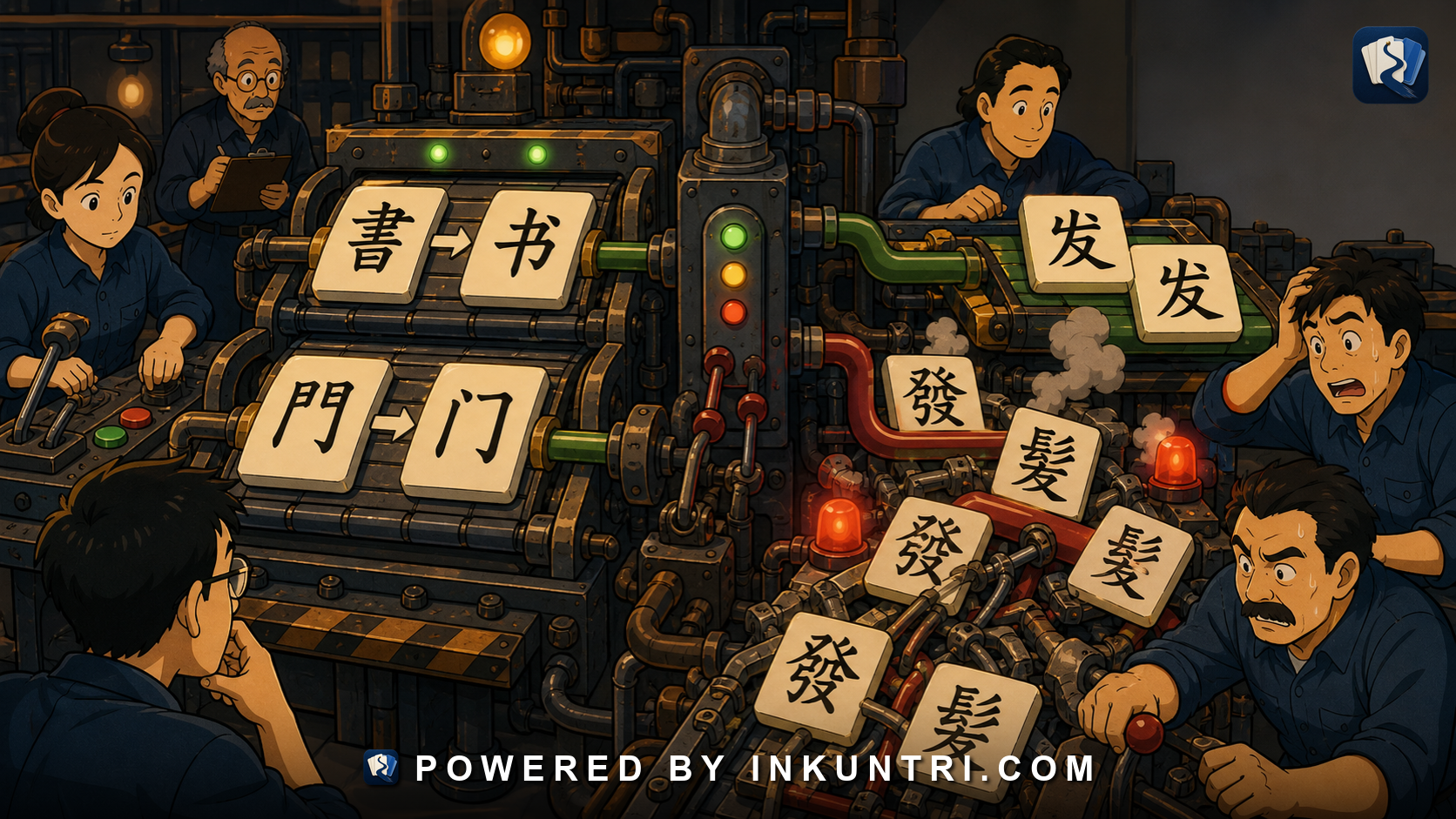
The Logic of Traditional–Simplified Conversion: Where One-to-One Rules Break
The reader can predict why automated conversion sometimes fails and why “traditional vs simplified” is not a reversible spelling swap.
How Children Acquire Mandarin Tones
The reader gets a serious but accessible look at tone acquisition and what adult learners can and cannot borrow from child development.
How Chinese Writing Entered Japan and Became Japanese
The reader can explain how Chinese writing entered Japan and became a Japanese writing system rather than a foreign script pasted onto Japanese.
The Korean Language Under Japanese Colonial Rule
The reader can understand colonial-era language history as schooling, policy, identity, vocabulary, publication, resistance, and post-liberation memory rather than a simple list of loanwords.
成语 for Adults: History, Register, and When Not to Use Them
The reader learns to treat 成语 as register-sensitive cultural vocabulary, not as decorative proof of fluency.
Chinese Restaurant Menus by Cooking Method and Ingredient
The reader can decode Chinese restaurant menus by recognizing cooking methods, ingredients, regional naming conventions, and dish-name compression.
Telecom Chinese: 5G, 基站, 频谱, 网络切片
The reader can understand Chinese telecom vocabulary in news, policy, technical summaries, carrier announcements, and infrastructure reports.

Kanji, Hiragana, Katakana, Rōmaji: Four Scripts With Different Jobs
The reader can explain what kanji, hiragana, katakana, and rōmaji each do and why replacing one script with another changes meaning, tone, or usability.
Fraud Warning Japanese: 特殊詐欺, 不審メール, 注意喚起
The reader can identify Japanese fraud-warning language in official notices, emails, texts, bank alerts, and public-safety announcements.
Software UI Japanese: Buttons, Error Messages, and Confirmation Language
The reader can interpret Japanese software UI text for buttons, errors, confirmations, warnings, cancellations, and recovery paths.
Location and Direction: 에, 에서, 으로, 까지, 부터
The reader can distinguish Korean particles that mark location, destination, source, route, endpoint, starting point, time frame, and process direction.
Technical Standard Chinese: GB Codes, Requirements, and Test Methods
The reader can understand the structure and language of Chinese technical standards, including requirements, test methods, definitions, and compliance wording.
Education Policy Korean: 입시, 교육과정, 장학금, 학교폭력
The reader can read Korean education-policy language by distinguishing admissions, curriculum, scholarships, school violence procedures, college entrance exam terms, school records, parents, counseling, and...
Creating Domain-Specific Chinese Glossaries From Source Texts
The reader can build Chinese glossaries for specific domains by extracting terms from real documents, defining them from context, and organizing them for reuse.

What Chinese Children’s Readers Teach About Literacy Progression
The reader understands how graded children’s materials sequence characters, vocabulary, pinyin support, syntax, and cultural content.
Disaster Japanese: 避難, 警報, 震度, 津波, ハザードマップ
The reader can understand Japanese disaster language for evacuation, alerts, earthquake intensity, tsunami warnings, and hazard maps.
How to Compare Mainland, Taiwan, and Diaspora Usage Responsibly
The reader can compare Mainland, Taiwan, Hong Kong, Singapore, and diaspora Chinese usage without collapsing everything into “same Chinese” or exaggerating difference.
Japanese Menus by Cooking Method and Regional Style
The reader can read Japanese menus through cooking method, ingredient category, regional style, texture words, and service format.
Voice, Gender, and Persona in Japanese Media Speech
The reader can analyze voice, gender, and persona in Japanese media speech without reducing real speakers to stereotypes.
Potential Complements: 能, 会, 可以, 得, and 不得 Compared
The reader distinguishes general ability/permission from verb-specific possibility expressed through potential complements.
Pharmaceutical Labels in Korean: 효능, 용법, 금기, 부작용
The reader can identify Korean pharmaceutical-label sections for efficacy, dosage, contraindications, adverse reactions, storage, expiration, age limits, and warning hierarchy while treating medication language as...
を, に, で, へ, と: Case Particles as Event Architecture
The reader can read Japanese case particles as an event architecture system rather than a list of English preposition equivalents.
Using Speech Recognition Critically for Mandarin Pronunciation Practice
The reader learns to use speech recognition as one feedback signal without mistaking it for a pronunciation teacher.
How to Use Japanese Corpora Without Mistaking Frequency for Importance
The reader can use Japanese corpora responsibly by distinguishing frequency, distribution, register, genre, collocation, learner usefulness, and curricular importance.
How Chinese Dramas Teach Register, Not Just Romance
The reader can use Chinese dramas to study register, role, genre, and social positioning rather than simply mining romantic lines or isolated vocabulary.

How Manga Uses Script Choice to Signal Voice
The reader can analyze how manga uses script choice to signal age, class, species, accent, emotion, artificiality, or character persona.
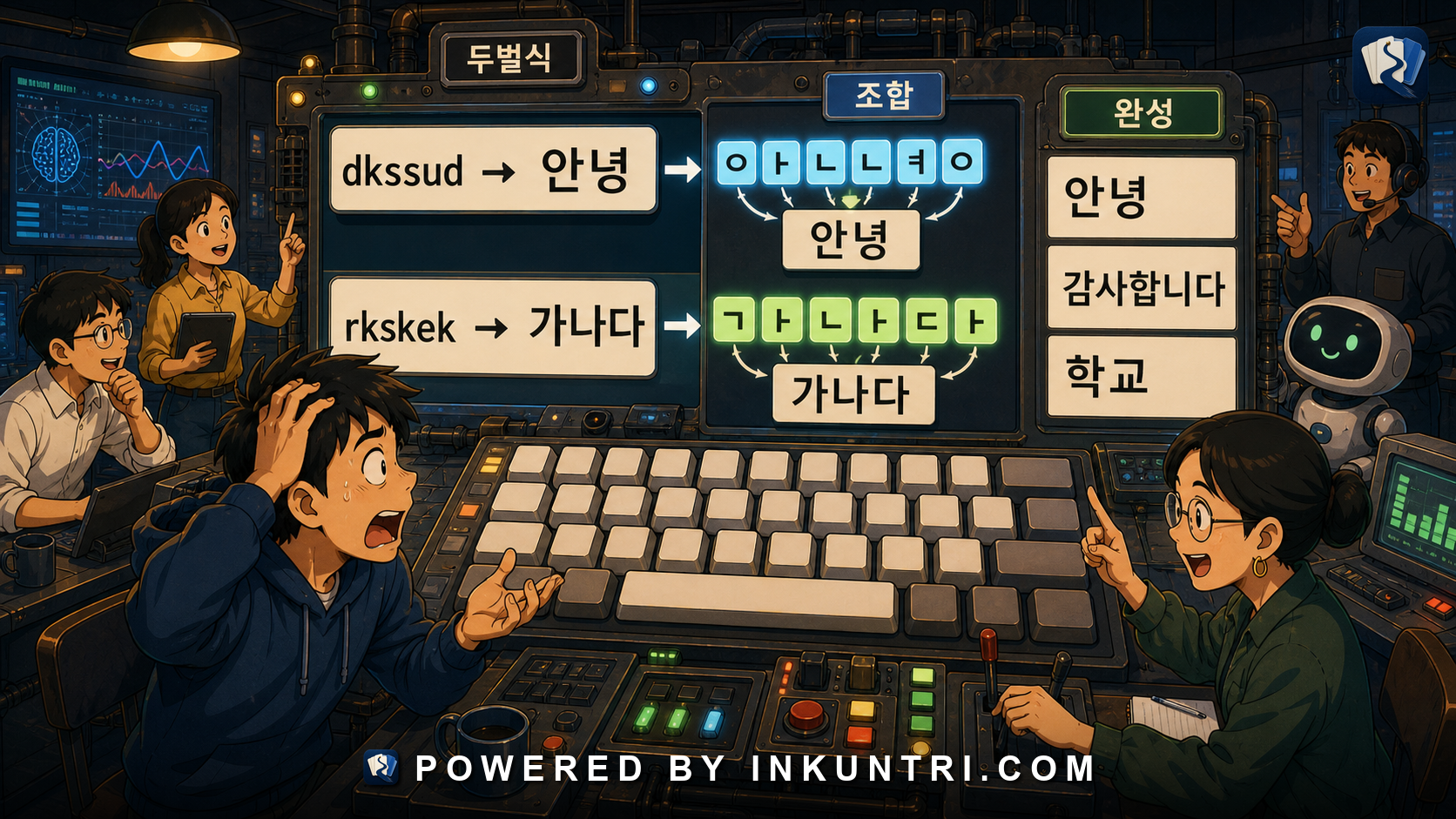
How Korean Input Methods Shape Typing and Spelling
The reader can understand how Korean typing systems influence spelling, errors, autocorrect, and digital fluency.
Cybersecurity Chinese: 漏洞, 攻击, 防护, 数据泄露
The reader can understand Chinese cybersecurity vocabulary in advisories, incident reports, technical blogs, and compliance notices.
How to Track Mandarin Listening Progress With Real Audio
The reader can measure Mandarin listening progress using real audio, transcripts, dictation, shadowing, comprehension logs, and targeted diagnosis.
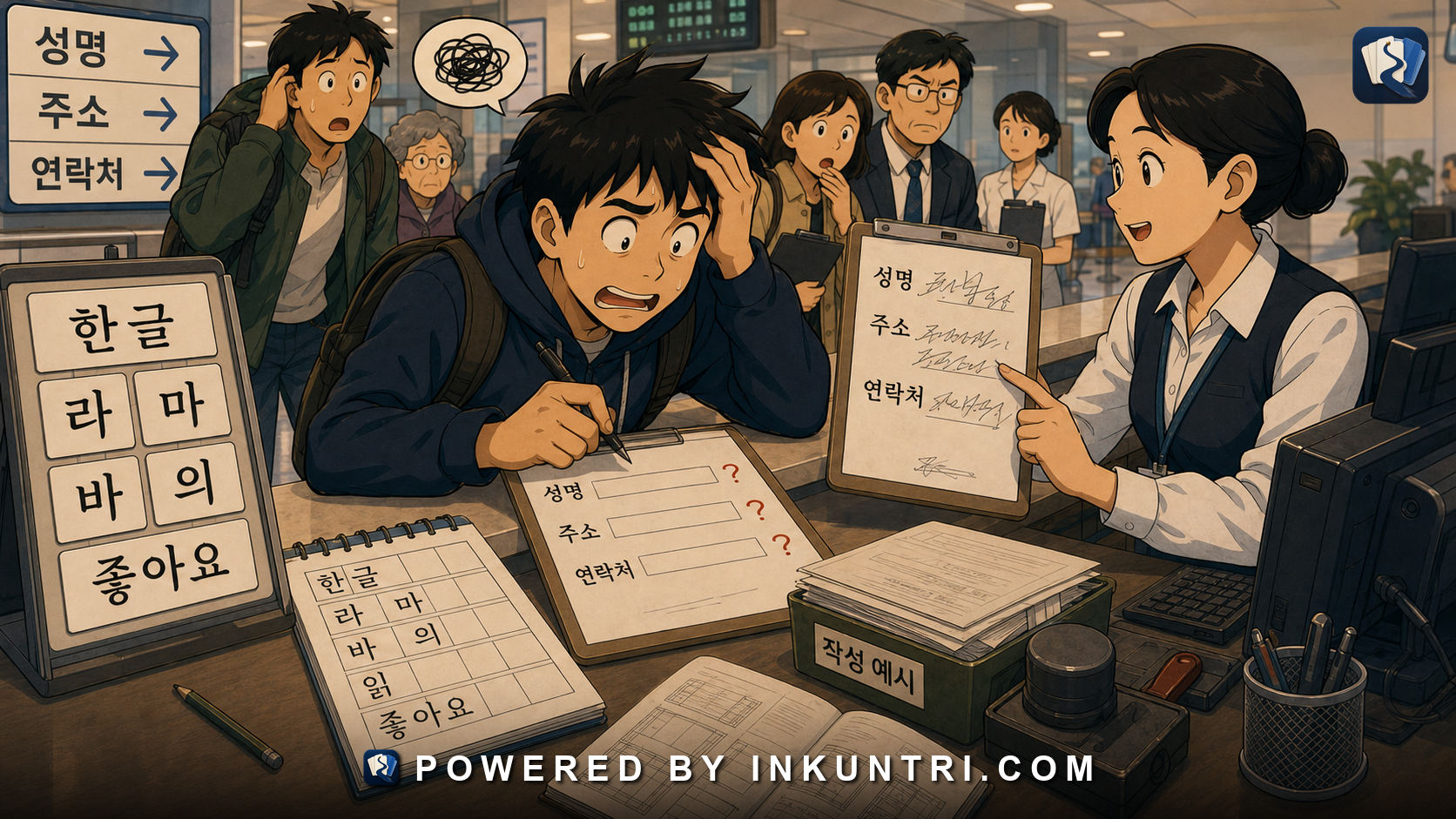
Why Korean Learners Should Study Handwriting Even If They Type
The reader can use handwriting practice to improve recognition, recall, and block-proportion judgment even in a typing-first world.
Using Speech Recognition Carefully for Japanese Pronunciation
The reader can use speech-recognition tools for Japanese pronunciation practice without mistaking their scores for linguistic truth.
Sentence-Final 吧, 啊, 呢, 了, and 的 in Conversation
The reader understands major sentence-final particles as stance markers that shape conversation, certainty, softness, and shared context.
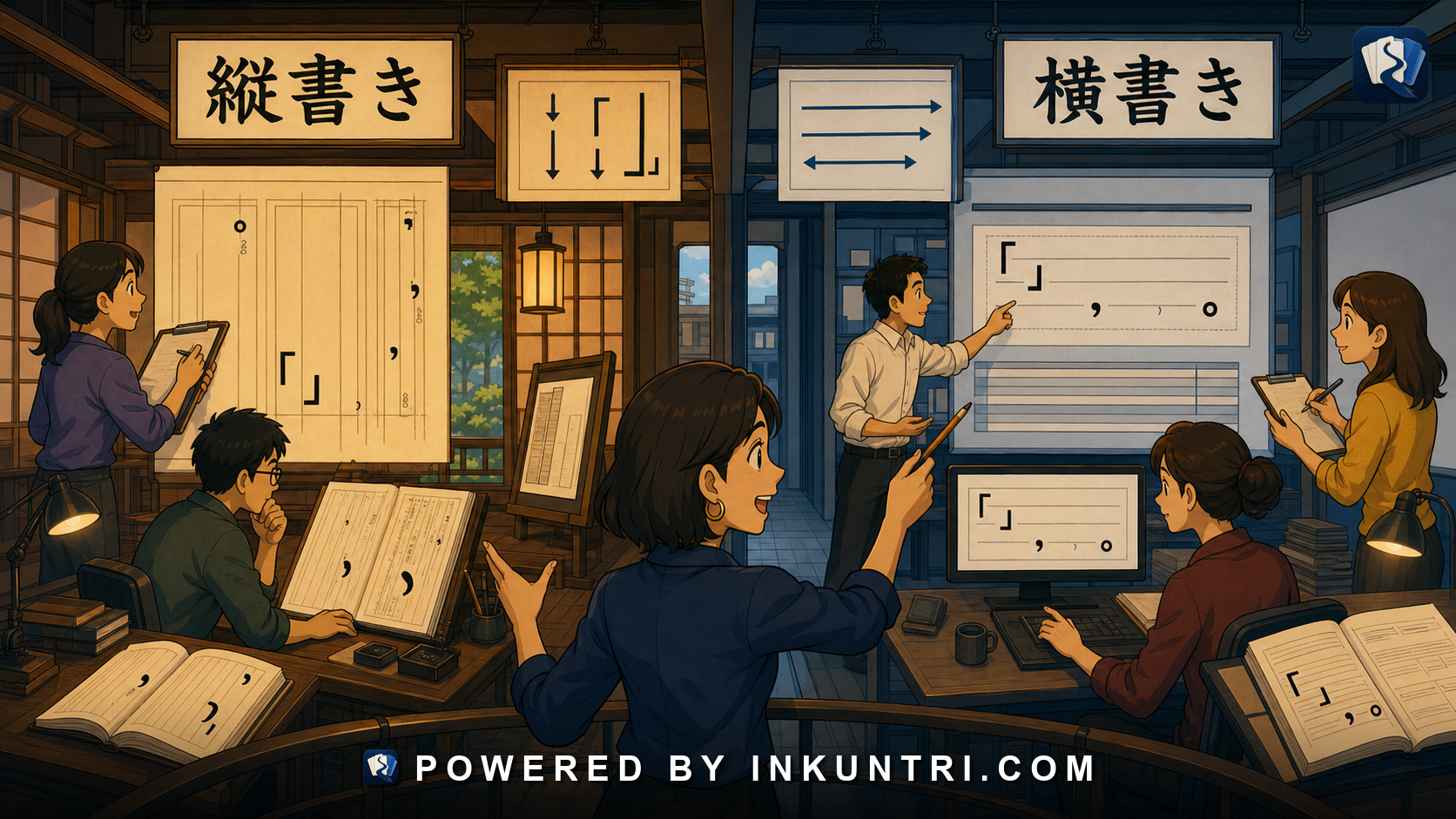
Vertical Writing, Horizontal Writing, and What Layout Changes
The reader can understand how vertical and horizontal layout affect punctuation, line breaking, emphasis, numbers, and reading experience.
Food Vocabulary Through Cooking Verbs: 焼く, 煮る, 炊く, 揚げる, 蒸す
The reader can understand food vocabulary through cooking verbs that encode method, heat, water, oil, and vessel.
Hangul-Only Writing and the Invisible Hanja Layer
The reader can understand how modern Hangul-only Korean can hide Hanja-based semantic structure without making Hanja mandatory for ordinary reading.
Pronunciation Problems That Survive Advanced Korean Study
The reader can diagnose advanced Korean pronunciation problems that remain after basic Hangul and sound-change study.

Hangul as a Scientific Script: What That Claim Gets Right and Wrong
The reader can separate the real design strengths of Hangul from simplistic claims about perfection or total transparency.
Result Complements as Event Engineering
The reader understands result complements as a core Mandarin way to specify whether an action achieved an outcome.
How Politeness Vocabulary Travels Differently Across the Three Languages
The reader understands why Chinese, Japanese, and Korean politeness cannot be compared only through shared formal vocabulary.
Pharmaceutical Labels in Japanese: 効能, 用法, 禁忌, 副作用
The reader can read Japanese pharmaceutical labels and identify intended effect, dosage, contraindications, side effects, and warning hierarchy.
Sino-Korean Vocabulary vs Sino-Japanese Vocabulary
The reader can compare Sino-Korean and Sino-Japanese vocabulary by reading, register, productivity, frequency, and grammar instead of by character identity alone.
Regional Pitch Accent: Kansai, Tōhoku, Kyūshū, and Beyond
The reader can understand regional pitch accent as real linguistic structure while avoiding the idea that Tokyo accent equals all Japanese.
Japanese Loans in Modern Chinese: Why Some “Chinese” Words Came Back Through Japan
The reader understands the modern Sino-Japanese vocabulary loop and why many modern Chinese intellectual terms were shaped through Japan.
When to Use Machine Translation for Chinese and When to Distrust It
The reader can use machine translation as a support tool for Chinese while detecting common failures in syntax, register, named entities, idioms, domain terms, and cultural context.
How to Compare Tokyo, Kansai, and Regional Usage Responsibly
The reader can compare Tokyo, Kansai, and regional Japanese usage without overgeneralizing from stereotypes, jokes, or one speaker’s habits.
Questions Beyond 네/아니요: Wh-Questions, Rhetorical Questions, and Confirmation
The reader can read and ask Korean questions beyond yes/no formats, including wh-questions, rhetorical questions, and confirmation checks.
Negation Systems: 不, 没, 别, 非, 无, and 未
The reader learns to choose Mandarin negation markers by aspect, modality, register, and genre.
Why “Chinese Has No Alphabet” Is the Wrong Way to Explain Pronunciation
The reader learns to separate writing system, phonology, transcription, and pedagogy instead of repeating a shallow slogan.
What Korean Learners Should Know About North-South Terminology
The reader can compare North and South Korean terminology without turning division into novelty, caricature, or overconfident equivalence lists.

Email Japanese: Formatting, Openings, Closings, and Line Breaks
The reader can write and read Japanese email by understanding formulaic openings, closings, line breaks, signatures, and politeness expectations.
Engineering Korean: 사양, 공차, 도면, 검사
The reader can approach Korean engineering documents by identifying specifications, tolerances, drawings, dimensions, material, standards, inspections, acceptable deviation, and revision language.
Korean Syntax Trees for Learners Who Hate Syntax Trees
The reader can use lightweight syntax diagrams to understand Korean clause structure, modifiers, predicates, and embedded meanings without drowning in formal notation.
Cloud Computing Mandarin: 云服务, 容器, 数据库, 部署
The reader can understand Chinese cloud-computing vocabulary in product pages, documentation, architecture diagrams, and technical support articles.
Korean Grant Applications: 연구계획, 과제, 예산, 성과
The reader can approach Korean grant applications by identifying project goals, research plans, tasks, budgets, schedule, research funds, evaluation items, expected effects, and performance/outcome language.
Designing a Mandarin Error Corpus From Your Own Mistakes
The reader can turn recurring Mandarin mistakes into a personal error corpus that supports diagnosis, targeted practice, and measurable improvement.
Data Privacy Korean: 개인정보, 동의, 수집, 제3자 제공
The reader can approach Korean privacy policies and consent screens by identifying personal information, consent, collection, third-party provision, retention period, purpose of use, outsourcing, withdrawal, and...
Social Media Platform Chinese: Posts, Comments, Shares, and Moderation
The reader can understand Chinese social-platform vocabulary for posting, commenting, sharing, algorithms, moderation, and user behavior.
How to Compare Seoul, Regional, and North-South Usage Responsibly
The reader can compare Korean usage varieties without turning difference into stereotype, superiority, or unsupported anecdote.
Supply Chain Korean: 조달, 재고, 납기, 검수
The reader can approach Korean supply-chain emails, reports, and warehouse statuses by identifying procurement, inventory, lead time, delivery deadlines, inspection, purchase orders, inbound/outbound flow, delay...
Academic Paper Chinese: 摘要, 研究方法, 结果, 讨论
The reader can read the structure and recurring language of Chinese academic papers across abstracts, methods, results, and discussion sections.
Tone Errors That Change Meaning vs Tone Errors Native Speakers Repair
The reader learns which tone mistakes are high-risk, which context can repair, and how to prioritize correction.
Korean as a Global Language: K-Culture, Study, and Soft Power
The reader can distinguish entertainment exposure, formal study, heritage identity, institutional promotion, exams, and cultural diplomacy in global Korean.
How Japanese Dramas Teach Register and Social Role
The reader can use Japanese dramas as register laboratories by tracking role, hierarchy, intimacy, conflict, and genre exaggeration.
Japanese Grant Applications: 研究計画, 科研費, 予算, 成果
The reader can understand Japanese grant-application language around research plans, budgets, deliverables, impact, and evaluation criteria.
Software UI Korean: Buttons, Error Messages, and Confirmation Language
The reader can interpret Korean software UI by identifying confirmation, cancellation, saving, deletion, errors, retry prompts, permissions, settings, and completion language.
Gaming Chinese: UI, Patch Notes, Player Complaints, and Esports
The reader can understand Chinese gaming language across UI labels, patch notes, player forums, bug reports, and esports commentary.
A Research Stack for Chinese Learners: Dictionaries, Corpora, Standards, and Archives
The reader can assemble a serious Chinese research stack for verifying words, usage, standards, historical context, public documents, and domain terminology.
Near-Synonym Field Guide: 直す, 治す, 修正する, 改善する
The reader can distinguish repair, healing, correction, and improvement vocabulary instead of translating all of it as “fix.”
Survey Korean: 설문지, 응답률, 표본, 분석
The reader can read Korean survey reports by identifying questionnaire wording, response rate, sample, analysis, items, options, weighting, cross-tabulation, satisfaction, and methodological caution.
How to Parse a Dense Chinese Sentence Step by Step
The reader gains a reusable procedure for attacking long Mandarin sentences in news, essays, policy, and academic prose.
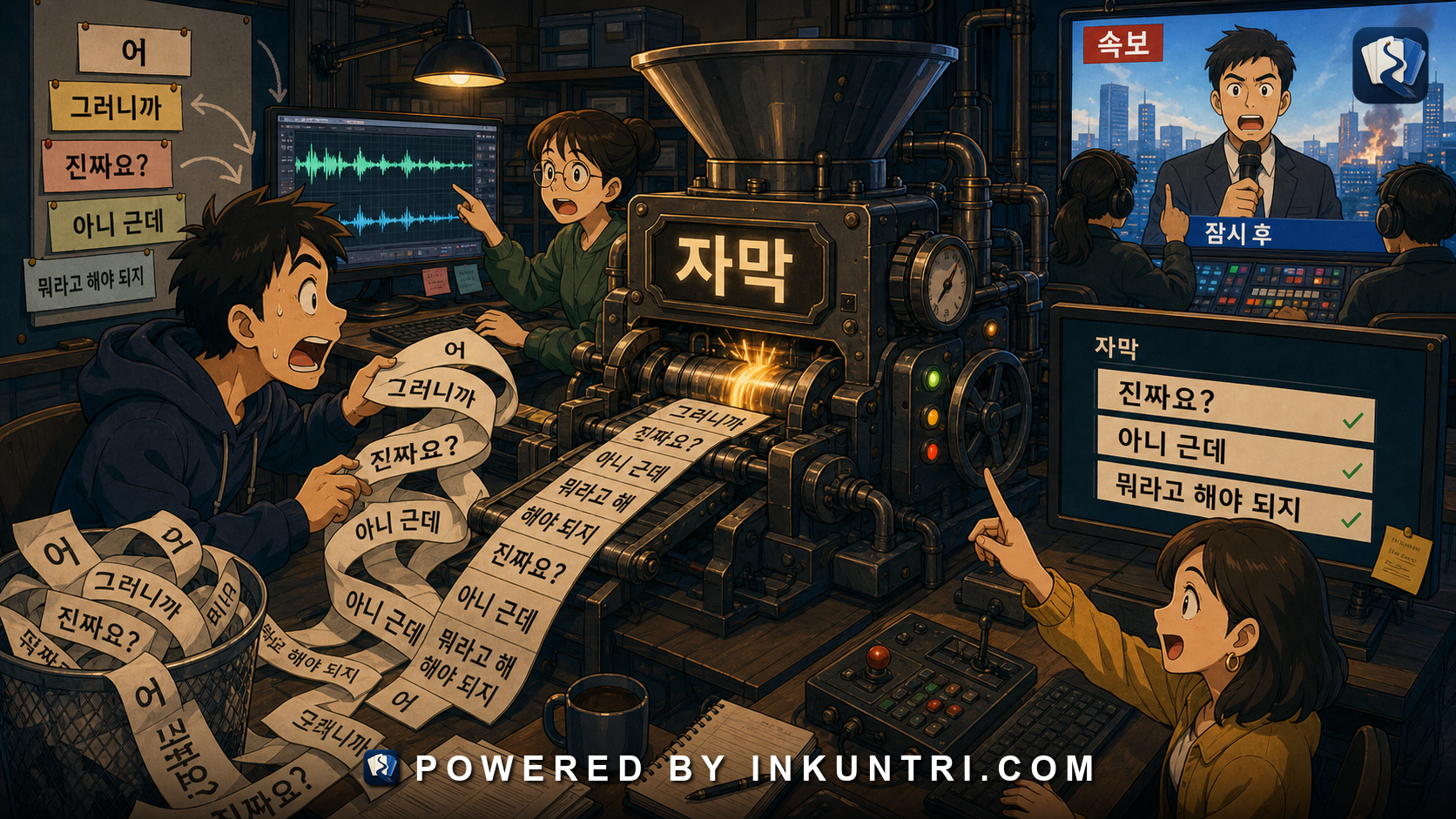
How Korean Subtitles Compress Fast Speech
The reader can see how Korean subtitles compress fast speech while preserving enough grammar and discourse for viewers.
The Social Life of English in Modern Korea
The reader can analyze English in Korean as status, expertise, branding, education, humor, and anxiety—not merely vocabulary borrowing.
Adjectives as Predicates: い-Adjectives and な-Adjectives
The reader can analyze い-adjectives and な-adjectives as predicate systems, not merely as word lists before nouns.
Building a Cross-CJK Cognate Deck Without Teaching Yourself Errors
The reader can build a Chinese-Japanese-Korean vocabulary comparison system that captures useful cognates without reinforcing false friends or fake equivalences.
Near-Synonym Field Guide: 问题, 议题, 课题, 难题
The reader can choose among words for problem, issue, research topic, and difficult challenge.
How to Read Linguistics Papers About Japanese Without Drowning
The reader can approach linguistics papers about Japanese by identifying research question, data, terminology, argument structure, examples, and what matters for language learning.
Indirect Quotation in Korean News and Interviews
The reader can interpret indirect quotation in Korean news and interviews as a way of managing source, stance, and responsibility.
Korean Regional Food Words and Local Identity
The reader can interpret regional Korean food words as place, taste, migration, tourism, nostalgia, and identity signals.
Idioms From Classical Chinese in Modern Japanese
The reader can identify idioms inherited from Classical Chinese and understand why they still shape formal and literary Japanese.
Japanese Pronunciation Self-Diagnosis With Recording and Pitch Models
The reader can self-diagnose Japanese pronunciation using recordings, pitch-accent models, mora timing, vowel devoicing, intonation, and targeted correction.
How Standard Japanese Became Standard
The reader can explain how Standard Japanese became standard through institutions, media, education, and urban prestige.
Building a Korean Reader Workflow From News, Essays, Dramas, and Forms
The reader can build a balanced Korean reading workflow that combines polished prose, spoken dialogue, domain documents, and repeatable annotation habits.

How Menus Use Characters Differently From Textbooks
The reader learns to read menu Chinese as a compressed domain language built from ingredients, methods, textures, regions, and dish names.
False Friends Between Korean and Mandarin Sino-Xenic Words
The reader can identify Korean–Mandarin false friends that share character roots but diverge in modern meaning, collocation, or register.
Old Japanese to Modern Japanese: What Serious Learners Should Know
The reader can place Old Japanese, Classical Japanese, Early Modern Japanese, and Modern Japanese on a practical timeline for advanced learning.
Serial Verb Constructions in Everyday Mandarin
The reader recognizes chains of verbs that express sequence, purpose, means, and accompanying actions without extra conjunctions.
How to Build a Yearlong Japanese Intensive Around Inkuntri + Reader
The reader can design a yearlong Japanese intensive that combines structured lessons, Reader practice, domain articles, review cycles, output, and progress measurement.
Academic Japanese: Hedging, Citation, and Argument Flow
The reader can read academic Japanese as argument management: hedging, citation, definition, scope control, and careful claim strength.
E-Commerce Korean: 상품설명, 후기, 반품, 환불
The reader can read Korean e-commerce pages by separating product description, options, reviews, return/refund rules, shipping fees, exchange procedures, purchase confirmation, and stock status.
Agricultural Korean: 농협, 재배, 출하, 산지
The reader can read Korean agricultural articles, labels, and cooperative notices by identifying cooperatives, cultivation, harvest, shipment, production area, farm households, crop condition, distribution, and...
的, 地, 得 as Vocabulary Signals in Learner Reading
The reader can use 的, 地, and 得 to detect noun modification, adverbial modification, and result/degree relationships during reading.
过 and Experiential Memory: More Than “Have Done”
The reader learns that 过 marks experience and relevance, not simply English present perfect.
How Literacy Campaigns Shaped Modern Chinese Vocabulary
The reader understands how education, literacy, script reform, and mass communication shaped modern Chinese word choice and public language.
English Technical Terms in Chinese, Japanese, and Korean
The reader can compare how Korean, Japanese, and Chinese handle English technical terms through acronyms, transliteration, loan translation, mixed compounds, domain standardization, and user-facing terminology.
Korean Modality: 수 있다, 줄 알다, 해야 하다, 모양이다
The reader can analyze Korean modality through ability, know-how, obligation, possibility, inference, and appearance.
A Serious Learner’s Guide to Korean Dictionaries
The reader can choose the right dictionary type for meaning, usage, Hanja layer, pronunciation, collocation, example sentences, and domain terminology.
How Korean Hanja Maps to Japanese Kanji and Mandarin Hanzi
The reader can map Korean Hanja to Japanese Kanji and Chinese Hanzi forms while keeping form, reading, and usage separate.

How Chinese Dictionaries Index Characters: Radical, Stroke, Pinyin, and Digital Search
The reader can choose the right lookup method for unknown characters in print, handwriting, and digital contexts.
Honorifics and Hierarchy in Korean Workplaces
The reader can understand how Korean workplace language coordinates rank, seniority, role, reporting lines, and politeness.
Korean Municipal Notices: 신청, 접수, 마감, 담당부서
The reader can read local-government notices for applications, public programs, facility use, subsidies, meetings, and deadlines.
Why Knowing Chinese Helps Japanese—and Where It Betrays You
The reader can use Chinese knowledge to learn Japanese faster while guarding against false friends, wrong readings, and grammar assumptions.
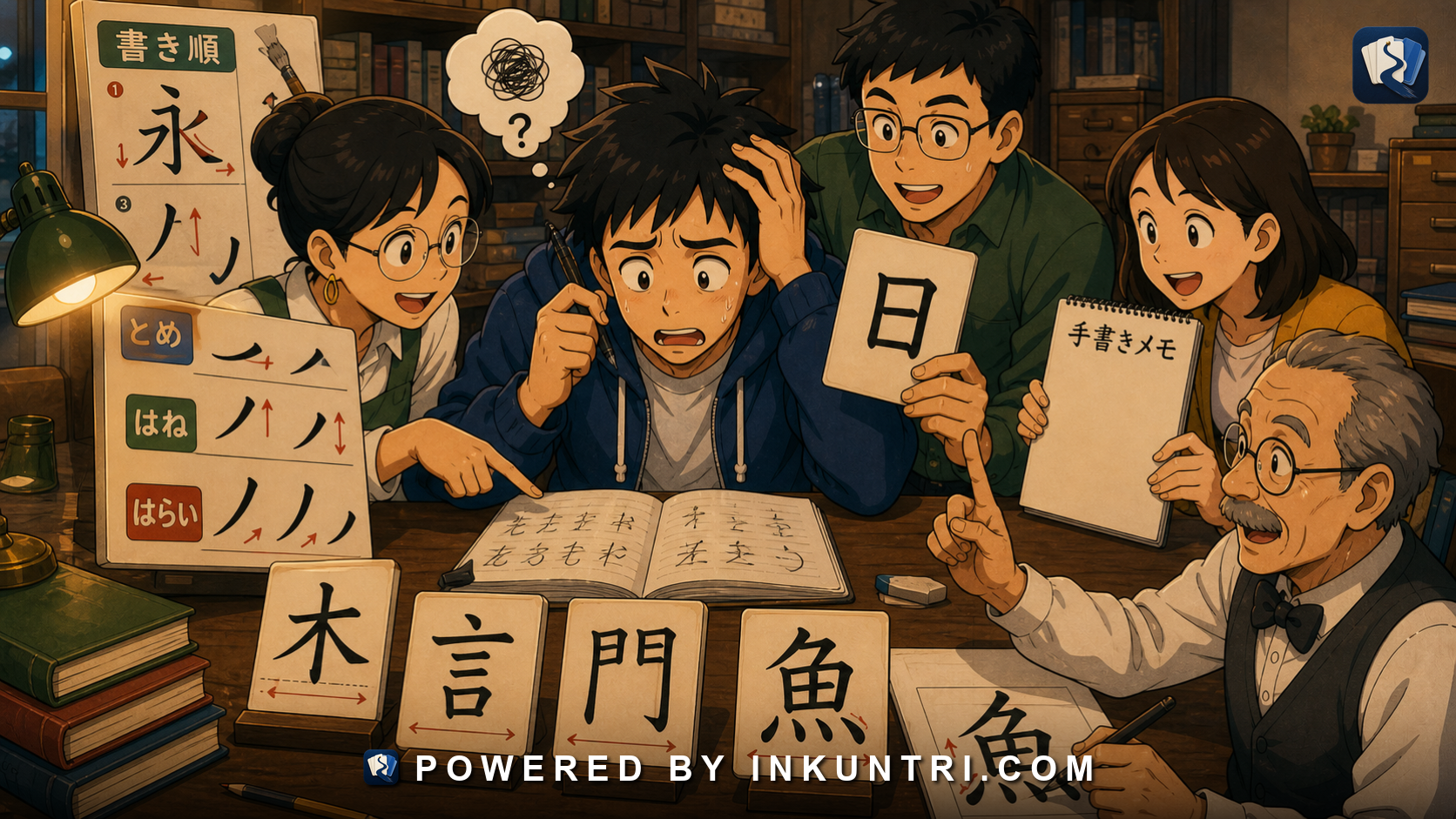
Why Japanese Learners Should Study Handwriting Even If They Type
The reader can see handwriting study as a tool for recognition, component awareness, stroke economy, and cultural literacy even in a typing-first world.
How to Build a Yearlong Mandarin Intensive Around Inkuntri + Reader
The reader can design a one-year Mandarin learning plan that combines structured lessons, topical reading, listening, review, output, diagnostics, and domain specialization.
Idu, Hyangchal, Gugyeol: Writing Korean Before Hangul
The reader can understand pre-Hangul Korean writing systems as attempts to use Chinese characters for Korean meaning, sound, and grammar.
How Chinese Language Policy Shows Up in School Textbooks
The reader can see textbooks as language-policy artifacts that teach vocabulary, values, standard pronunciation, literacy, and national narratives.
Academic Korean: Hedging, Citation, and Argument Flow
The reader can read and write academic Korean by recognizing hedging, citation, argument structure, and formal stance.
Japanese Event Listings: 開催概要, 申込, 定員, 参加費
The reader can read Japanese event listings and reliably identify topic, schedule, venue, eligibility, registration method, capacity, cost, and cancellation terms.
A Research Stack for Korean Learners: Corpora, Dictionaries, White Papers, Archives
The reader can assemble a serious Korean research workflow using resource types rather than relying on random search results or social-media explanations.
Modern Japanese Through Mandarin Eyes: What Kanji Conceals
The reader can use Mandarin knowledge to read Japanese kanji more intelligently while avoiding false friends and grammar-transfer errors.
Light-Verb する Compounds in Japanese Technical Prose
The reader can recognize する compounds as a major engine of formal, technical, bureaucratic, and academic Japanese.
The Language of Chinese Bond Markets: 债券, 票息, 到期, 信用评级
The reader can understand Chinese bond-market vocabulary in news, disclosures, prospectuses, and ratings language.
Japanese as a Global Language: Pop Culture, Business, and Study Abroad
The reader can understand Japanese as a global language of pop culture, business, tourism, study abroad, and soft power without reducing it to anime fandom.
Modern Japanese Through Korean Eyes: What Cognates Reveal
The reader can use Korean-Japanese cognates to discover patterns in modern Japanese without flattening the two languages into the same system.
The Language of Neighborhood Life: 아파트, 관리사무소, 동대표
The reader can read apartment notices, resident messages, and neighborhood-management language in Korean urban life.
Kanbun Kundoku: Reading Chinese as Japanese
The reader can understand kanbun kundoku as a method for reading Chinese texts through Japanese grammar and syntax.
Designing Korean Anki Cards for Grammar, Vocabulary, Sound Change, and Context
The reader can design spaced-repetition cards that test Korean use, recognition, listening, sound change, and context instead of memorizing isolated glosses.
Building a Tri-Language Kanji/Hanzi/Hanja Cognate Map
The reader can build a practical tri-language Kanji/Hanzi/Hanja cognate map for vocabulary learning and cross-language reading.
HR Japanese: 採用, 入社, 評価, 異動, 退職
The reader can read Japanese HR language around hiring, joining, evaluation, transfer, retirement, and personnel procedures.
Statistics Japanese: 前年比, 季節調整, 標本, 有意差
The reader can understand Japanese statistics language around year-on-year change, seasonal adjustment, samples, significance, and survey interpretation.
How to Use Korean Corpora Without Mistaking Frequency for Importance
The reader can use corpus evidence to study Korean collocations and patterns while accounting for genre, register, source bias, and learner goals.
Semiconductor Chinese: 芯片, 封装, 制程, 光刻
The reader can read Chinese semiconductor industry coverage and distinguish chip design, fabrication, packaging, equipment, and policy language.
Verbal Nouns in Korean Bureaucratic Style
The reader can read Korean administrative pages where words such as 신청, 접수, 제출, 검토, 승인, 안내, and 처리 function as steps, headings, statuses, and actions.
Publishing Korean: 초판, 재쇄, 교정, 저작권
The reader can approach Korean publishing notices, copyright pages, and book metadata by identifying first editions, reprints, proofreading, copyright, publishing rights, translation rights, ISBNs, publication...
How to Audit a Chinese Learning Resource for Seriousness
The reader can evaluate Chinese learning resources by checking linguistic accuracy, source quality, examples, register awareness, pedagogy, transparency, and update discipline.
Tea Chinese: Varieties, Processing, Brewing, and Tasting Notes
The reader can understand Chinese tea vocabulary involving categories, origin, processing, brewing, aroma, taste, and evaluation.
Chinese Statistics Language: 同比, 环比, 基数, 抽样, 显著
The reader can understand Chinese statistical reporting in news, reports, and research summaries without mistaking technical comparison terms for ordinary adjectives.
Japanese AI Vocabulary: 生成AI, 推論, 学習データ, 計算資源
The reader can read Japanese AI vocabulary across technical, business, and policy contexts without reducing every term to English buzzwords.
Developer Documentation Japanese: API, SDK, 引数, 戻り値
The reader can read Japanese developer documentation around APIs, SDKs, arguments, return values, examples, errors, and implementation notes.
The CJK Vocabulary of Modernity: Nation, Society, Science, Economy
The reader sees how a shared character vocabulary helped East Asia name modern institutions and concepts across Chinese, Japanese, and Korean.
From Flashcards to Literacy: When Japanese Study Must Leave the Card
The reader can recognize when flashcards have stopped helping and transition toward reading, listening, domain literacy, writing, and real-context review.
을/를, 에, 에서, 으로: Case Particles as Event Architecture
The reader can treat Korean case particles as event architecture that shows role, location, source, direction, and method.
K-Pop Lyrics: Pronouns, English, Emotion, and Persona
The reader can analyze K-pop lyrics as crafted persona-language involving pronouns, English phrases, emotional compression, and genre conventions.
Science News Korean: Breakthroughs, Caution, and Hype
The reader can separate evidence, claim, uncertainty, and publicity in Korean science-news writing.
Classical Roots in Modern Mandarin: When Old Words Do New Work
The reader recognizes classical-looking vocabulary in modern contexts and can judge whether it is literary, bureaucratic, academic, or everyday.
Academic Paper Japanese: 先行研究, 方法, 結果, 考察
The reader can read Japanese academic papers by recognizing section functions, research claims, methodology, results, and cautious interpretation.
Why Chinese Learners Should Not Overtrust Kanji Knowledge
The reader learns how to use Japanese kanji knowledge as a helpful clue while avoiding systematic errors in Mandarin reading, pronunciation, and word choice.
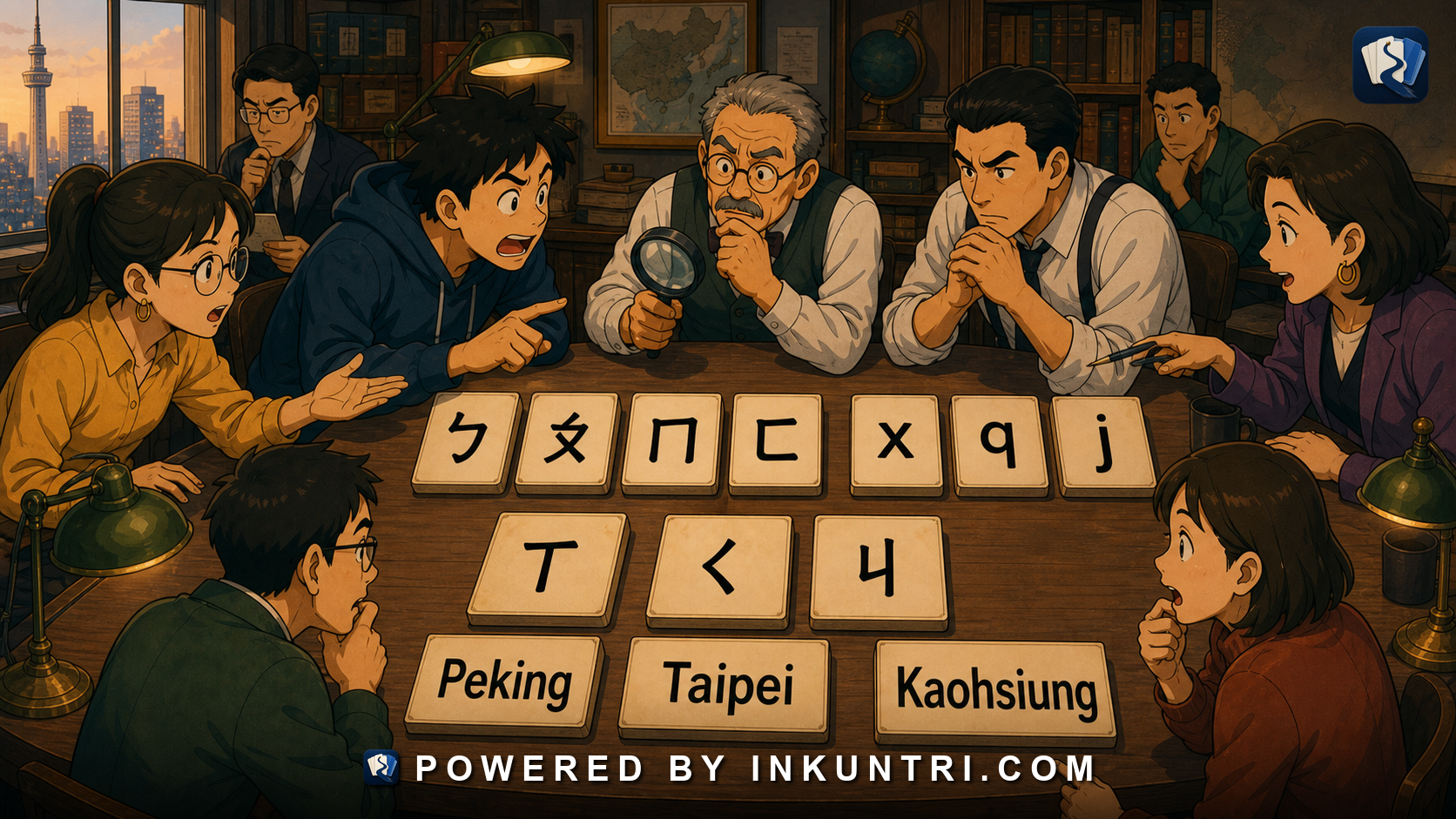
Pinyin, Zhuyin, and the Politics of Pronunciation Notation
The reader understands pronunciation notation systems as tools with histories, institutions, and regional identities.
When to Use Machine Translation for Korean and When to Distrust It
The reader can use machine translation as a controlled aid while spotting common Korean-specific failures in subject inference, politeness, terminology, and register.
Plain Form, Polite Form, and Where Grammar Meets Social Distance
The reader can choose between plain and polite forms by considering grammar, relationship, genre, and social distance rather than politeness alone.
How Public Announcements Sound Authoritative in Korean
The reader can understand the formulae, politeness, rhythm, and controlled authority of Korean announcements in stations, airports, buildings, and institutions.
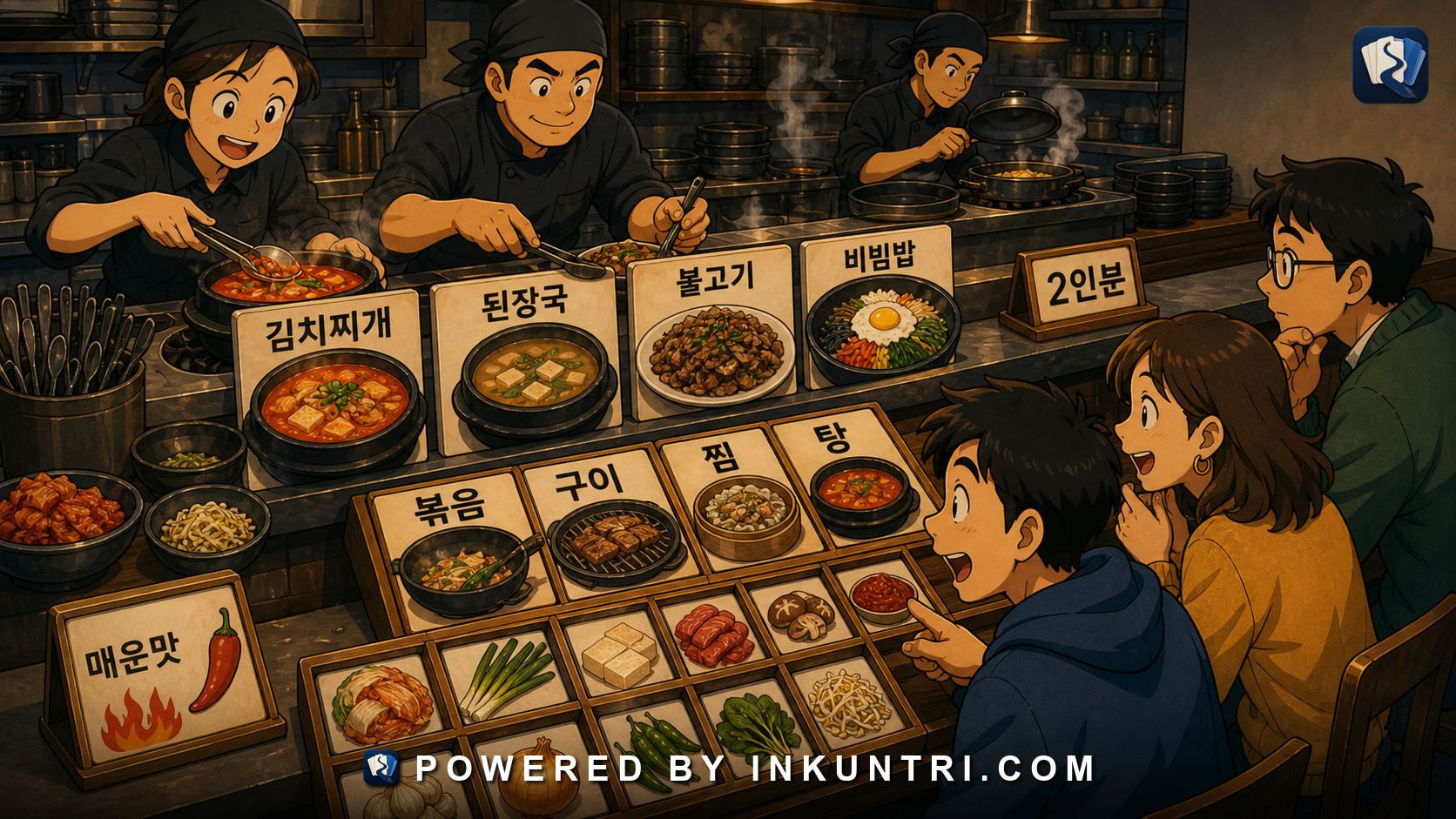
Reading Korean Menus: Ingredients, Cooking Verbs, and Regional Clues
The reader can read Korean menus by recognizing ingredients, dish categories, cooking verbs, portion markers, and regional clues.
Reading Japanese Job Ads: Requirements, Benefits, and Hidden Signals
The reader can parse Japanese job ads for role requirements, employment type, compensation, benefits, work style, company expectations, and vague cultural signals.
False Friends Between Japanese and Mandarin in Everyday Kanji Words
The reader can recognize false friends between Japanese and Mandarin in everyday character words before they cause practical misunderstandings.
How to Use Chinese Corpora Without Misreading Frequency
The reader can use Chinese corpora responsibly, understanding that frequency depends on corpus composition, genre, date, region, tokenization, and search method.
Pitch Accent in Verb and Adjective Conjugation
The reader can track how pitch accent interacts with verb and adjective conjugation instead of treating each form as a separate word.
How to Build a Hanzi Component Notebook That Scales
The reader can build a durable hanzi notebook organized by components, sound series, semantic hints, visual confusions, and real vocabulary rather than isolated characters.
Why 先生 Is a Social Category, Not Just “Teacher”
The reader can understand 先生 as a social address category for teachers, doctors, writers, politicians, artists, lawyers, experts, and respected instructors.
The Meiji Translation Boom and the Making of Modern Japanese Vocabulary
The reader can see how Meiji-era translation created much of the modern vocabulary for politics, science, society, and philosophy.
University Korean: 수강신청, 학점, 강의계획서, 성적증명서
The reader can navigate Korean university portals, notices, and forms by identifying course registration, credits, syllabi, transcripts, majors, liberal-arts requirements, leave/return, and completion language.
得 and 地: How Modern Usage Separates Result and Manner
The reader learns how 得 and 地 function in standard written Mandarin and where real usage blurs textbook rules.
University Japanese: 履修, 単位, シラバス, 成績証明書
The reader can navigate university Japanese around course registration, credits, syllabi, transcripts, grades, and student procedures.
Why Knowing Chinese Helps Korean—and Where It Misleads You
The reader can use Chinese knowledge as a Korean vocabulary advantage while protecting against false friends, collocation errors, and Hangul-only ambiguity.
Publishing Japanese: 初版, 重版, 校正, 著作権
The reader can decode Japanese publishing language around first editions, reprints, proofreading, copyright, serialization, and editorial process.

Jinmeiyō Kanji and the Special Problem of Japanese Names
The reader can explain why Japanese personal names require a separate literacy strategy from ordinary vocabulary and school kanji.
Building a Chinese Topical Reading Ladder From A1 to Advanced
The reader can design a long-term Chinese reading ladder that grows by topic, genre, vocabulary density, cultural load, and syntactic complexity from beginner to advanced levels.
Chinese Syntax Trees for Learners Who Hate Syntax Trees
The reader can use simple syntactic bracketing to understand Mandarin sentence structure without needing formal linguistics training.
Telecom Korean: 5G, 기지국, 주파수, 통신장애
The reader can approach Korean telecom notices and articles by identifying 5G, base stations, spectrum, network failures, networks, subscribers, carriers, restoration, and service quality.
Sino-Korean Vocabulary From a Mandarin Learner’s Perspective
The reader can recognize the Hanja layer behind many Korean words and understand how it relates to Mandarin vocabulary.
How to Read a Japanese Article in Three Passes
The reader can read a Japanese article through three purposeful passes: structure and gist, sentence-level parsing, then vocabulary/register extraction.
Statistics Korean: 전년 대비, 계절조정, 표본, 유의성
The reader can read Korean statistical releases by identifying comparison period, seasonal adjustment, sample, significance, rate of change, index, average, median, and margin of error.
Near-Synonym Field Guide: 고치다, 치료하다, 수정하다, 개선하다
The reader can choose the Korean repair verb based on whether the target is a machine, habit, illness, document, error, system, policy, or condition.
Nonprofit Korean: 기부, 비영리법인, 지원사업, 활동보고
The reader can read Korean nonprofit pages and reports by separating donation, sponsorship, legal entity status, beneficiaries, support programs, campaigns, settlement, activity reporting, and public-interest...
When Not to Overcorrect Pitch Accent
The reader can avoid overcorrecting pitch accent in ways that harm fluency, natural interaction, or respect for regional variation.
Buddhist Vocabulary Across Japanese, Chinese, and Korean
The reader can recognize Buddhist vocabulary across Japanese, Chinese, and Korean and see its influence beyond religion.
The Mandarin ü Problem: Writing, Pronunciation, and Pinyin Spelling
The reader understands how ü is pronounced, why Pinyin sometimes writes it as u, and how spelling rules hide pronunciation.
Long Vowels, Double Consonants, and the Rhythm of Natural Japanese
The reader can hear and produce long vowels and double consonants as timing contrasts that can change words, not as optional pronunciation polish.
Scientific Vocabulary: 研究, 实验, 数据, 模型, 机制
The reader can interpret the core vocabulary of Chinese scientific summaries, abstracts, popular science, and research reporting.
Education Policy Japanese: 入試, 学習指導要領, 奨学金, 不登校
The reader can read Japanese education-policy language around entrance exams, curriculum guidelines, scholarships, absenteeism, and school reform.
Kango in Japanese and Sino-Korean Vocabulary Compared
The reader can compare Japanese kango and Sino-Korean vocabulary as parallel systems built from Chinese-character roots but shaped by different languages.
Chinese Bureaucratic Language From Imperial Memorials to Modern Notices
The reader can recognize continuity and change in Chinese bureaucratic language, from formal memorial style to contemporary notices and regulations.
How to Build a Chinese Vocabulary Deck Around Word Families, Not Lists
The reader gains a practical method for organizing Chinese vocabulary by morpheme, collocation, register, and sentence environment.
How Sino-Korean Vocabulary Creates Formal and Technical Korean
The reader can use Sino-Korean roots to decode formal and technical Korean while avoiding false confidence.
How to Mine Korean Sentences Without Collecting Translationese
The reader can collect Korean example sentences that reflect native usage, context, and register rather than mechanically translated English structures.
Environmental Assessment Japanese
The reader can understand Japanese environmental assessment language around impacts, mitigation, monitoring, consultation, and public comments.
Topic-Comment Structure in Chinese News Paragraphs
The reader can identify topic chains and understand why Chinese paragraphs often move differently from English paragraphs.
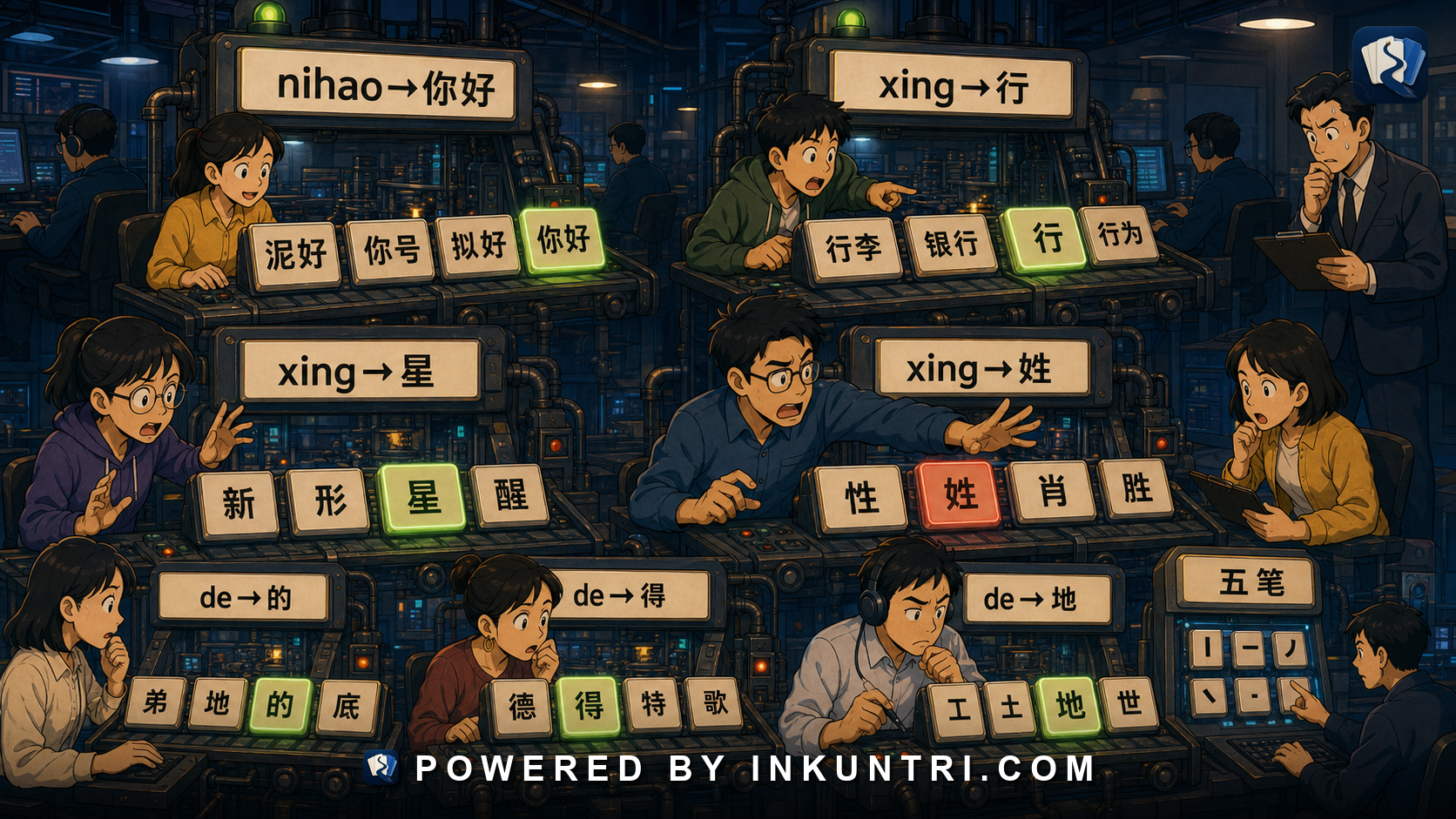
How Chinese Input Methods Shape What People Type
The reader understands how Pinyin, shape-based, handwriting, and predictive input methods influence modern Chinese writing habits.
Tea Ceremony Vocabulary Without Exoticizing It
The reader can understand tea ceremony vocabulary as a living technical and cultural register without reducing it to exotic imagery.
How to Audit a Korean Learning Resource for Seriousness
The reader can evaluate Korean courses, apps, videos, textbooks, and websites by evidence, scope, examples, register coverage, and learner outcomes.
Finals That Trap Learners: -ian, -uan, -eng, -ong
The reader understands several high-error Mandarin finals and learns what they actually sound like in connected speech.
How Official Korean Talks About Society’s Problems
The reader can read official Korean problem-framing terms such as 취약계층, 사각지대, 저출산, 고령화, 양극화, 대응, 지원, and 개선.
Korean Menus by Cooking Method and Regional Style
The reader can read Korean menus by identifying cooking method, soup/stew type, raw/sliced dishes, mixed dishes, regional style, course format, portion logic, and menu shorthand.
Creating Domain-Specific Japanese Glossaries From Source Texts
The reader can build domain-specific Japanese glossaries from real source texts by extracting terms, definitions, collocations, example sentences, and usage constraints.
把 Sentences as Control Over Outcomes
The reader understands 把 not as a mysterious particle but as a construction that foregrounds what happens to an object.
Medical Sino-Xenic Vocabulary: When Terms Look Related Across Languages
The reader can identify shared medical character vocabulary across CJK languages while understanding differences in usage, scripts, and health systems.
Engineering Chinese for Product Specs and Tolerances
The reader can read Chinese product specifications involving dimensions, materials, tolerances, performance requirements, and test conditions.
When Subjects Disappear: Pronoun Omission in Mandarin Discourse
The reader learns how Mandarin omits pronouns and subjects when discourse context makes reference clear.
Language Contact in Japan: Chinese, Korean, English, Portuguese, Dutch
The reader can trace language contact in Japan through words from Chinese, Korean, English, Portuguese, Dutch, and other sources.
Developer Documentation in Chinese: API, SDK, 参数, 回调
The reader can navigate Chinese developer documentation by understanding setup instructions, parameters, authentication, API calls, callbacks, and error codes.
Parallelism in Chinese Writing: From Slogans to Essays
The reader can identify parallel structure as a serious organizing device in Chinese rhetoric, not merely decorative repetition.
The Role of Hakka, Min, Wu, and Yue in the Sinitic Landscape
The reader gains a structured overview of major non-Mandarin Sinitic groups and their cultural, regional, and linguistic significance.
University Chinese: Majors, Credits, Transcripts, and Administrative Offices
The reader can understand university-related Chinese for majors, course registration, credits, transcripts, offices, and student status.
Developer Documentation Korean: API, SDK, 매개변수, 반환값
The reader can approach Korean developer documentation by identifying APIs, SDKs, parameters, return values, endpoints, authentication keys, requests, responses, and error codes.
Regional Food Words and the Geography of Chinese Taste
The reader can connect food vocabulary to region, climate, migration, local speech, and culinary identity.
Chinese Handwriting in the Age of Phones: Recognition, Forgetting, and Recall
The reader understands why character recognition can outpace handwriting ability and how to train the two separately.
Four-Kanji Compounds: Rhythm, Status, and Compression
The reader can read four-kanji compounds as compressed arguments, slogans, classifications, and prestige vocabulary.
Chinese Customs and Trade Documents: 报关, 清关, 原产地, HS编码
The reader can understand key vocabulary in Chinese customs, import-export, and trade-compliance documents.
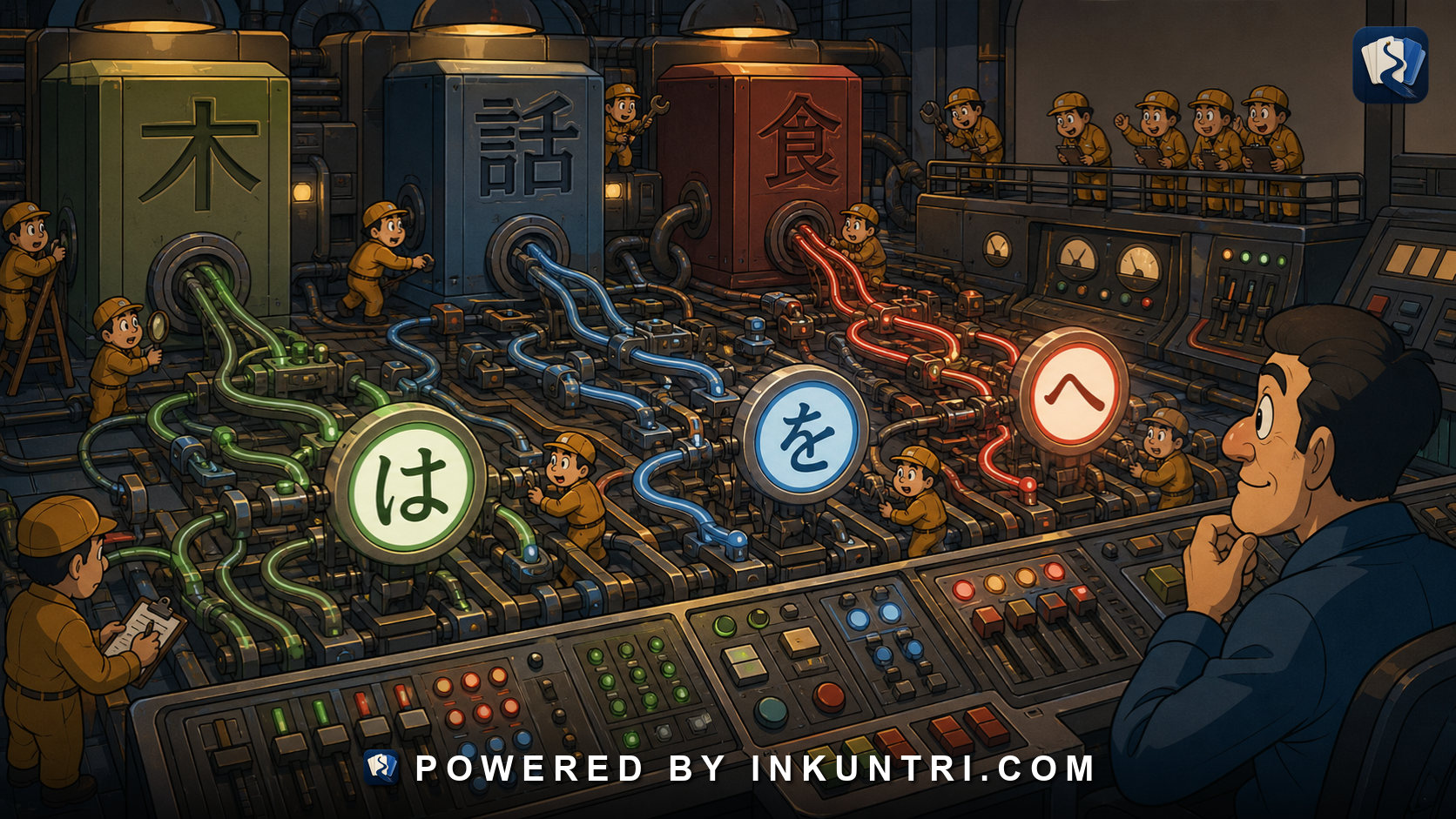
The Real Function of Kana in Advanced Japanese
The reader can see kana as advanced grammar infrastructure, not just an introductory phonetic alphabet.
Building a Korean Topical Reading Ladder From A1 to Advanced
The reader can build a long-term Korean reading ladder that moves from beginner-safe texts to serious domain reading without skipping the bridge stages.
Tokyo Pitch Accent Patterns: Heiban, Atamadaka, Nakadaka, Odaka
The reader can classify common Tokyo pitch accent patterns and connect labels to what the ear actually hears.
Chinese Banking App Language: Transfer, Verification, Limits, and Fees
The reader can navigate common Chinese banking-app text such as transfer forms, identity verification, transaction limits, and fee notices.
Procurement Bidding Chinese: 标书, 中标, 评审, 资质
The reader can understand Chinese procurement and bidding documents, including tender notices, bid requirements, evaluation criteria, and award announcements.
Chinese-Japanese False Friends in Business Vocabulary
The reader can spot high-risk Chinese-Japanese business vocabulary that looks familiar but differs in usage, meaning, or register.
Chinese Grant Proposals: 项目, 课题, 经费, 结项
The reader can understand Chinese grant-proposal vocabulary and the lifecycle from application to funding, implementation, reporting, and project closure.
Japanese Shadowing With Drama, News, and Interviews
The reader can build a Japanese shadowing practice that changes depending on whether the source is drama, news, interview, or presentation.
The Language of Chinese Parenting and Education Pressure
The reader can interpret Chinese parenting and education-pressure vocabulary in media, family conversation, school chat, and social commentary.
Japanese Diaspora Language: Brazil, Hawaii, Peru, and Beyond
The reader can understand Japanese diaspora language as heritage, contact, maintenance, shift, and identity across communities.
Childcare and School Communication in Japanese
The reader can understand Japanese childcare and school communication around notices, consent forms, absences, school events, supplies, illness, and parent-teacher interaction.
Japanese Press Releases: ご報告, お知らせ, 開催, 連携
The reader can interpret Japanese press releases by recognizing announcement formulas, corporate positioning, event details, and partnership language.
Relative Clauses Without Relative Pronouns
The reader can parse Japanese relative clauses without looking for a relative pronoun or English-style clause marker.
Procurement Japanese: 入札, 仕様書, 落札, 審査
The reader can understand Japanese procurement language around bids, specifications, successful bids, screening, vendors, and compliance.
How to Mine Chinese Sentences Without Collecting Bad Examples
The reader can collect useful Chinese example sentences while avoiding decontextualized, mistranslated, unidiomatic, outdated, or register-mismatched examples.
Building a Japanese Topical Reading Ladder From A1 to Advanced
The reader can build a topical Japanese reading ladder that takes one theme from beginner-friendly texts to advanced authentic materials.
Korean Product Manuals: 안전수칙, 사용방법, 고장, 점검
The reader can read Korean product manuals by identifying safety rules, procedures, warnings, prohibited actions, troubleshooting, inspection, maintenance, warranty, and replacement language.
Creating Domain-Specific Korean Glossaries From Source Texts
The reader can build Korean glossaries from real domain texts and preserve definitions, examples, collocations, and document function.
Technical Standards Korean: KS, 요건, 시험방법, 적합
The reader can read Korean technical standards by identifying requirements, test methods, conformity, specifications, criteria, certification, measurement, allowable range, and normative wording.
Fintech Japanese: 決済, 本人確認, 与信, 不正検知
The reader can decode fintech Japanese around payment, identity verification, credit screening, fraud detection, and user consent.
Ellipsis in Menus, Labels, Headlines, and Forms
The reader can recover omitted words in compact real-world Chinese and stop expecting complete textbook sentences everywhere.
How to Mine Japanese Sentences Without Collecting Translationese
The reader can collect Japanese example sentences from natural sources while avoiding translationese, artificial examples, contextless fragments, and overlong cards.
Medical Japanese: 症状, 診断, 治療, 予防, 副作用
The reader can read medical Japanese vocabulary by separating symptoms, diagnosis, treatment, prevention, medication, and risk language.
Interjections in Japanese: ええ, あの, まあ, へえ, うーん
The reader can interpret Japanese interjections as interactional tools for hesitation, surprise, agreement, thinking, soft refusal, and stance.
How to Audit a Japanese Learning Resource for Seriousness
The reader can evaluate Japanese learning resources for accuracy, scope, source quality, example naturalness, cultural depth, pedagogy, and hidden weaknesses.
아/어 놓다 and 아/어 두다: Prepared States and Intentions
The reader can use 아/어 놓다 and 아/어 두다 to express prepared states, preserved results, and intention.
Korean Company Documents: 등기, 정관, 대표이사, 주주총회
The reader can approach Korean company documents by identifying corporate registration, articles of incorporation, representative authority, shareholder meetings, board decisions, capital, offices, seals, and...
Reading Chinese Patent Abstracts Without Losing the Verb
The reader can parse long Chinese patent sentences by finding the main technical action, components, and claimed relationship.
Designing a Japanese Error Corpus From Your Own Mistakes
The reader can build a personal Japanese error corpus from writing, speaking, translation, and comprehension mistakes, then turn it into targeted practice.
When CJK Comparison Helps Learners and When It Becomes Noise
The reader can decide when CJK comparison accelerates Japanese learning and when it creates noise, overconfidence, or bad habits.

Emoji, Homophones, and Character Play in Chinese Digital Writing
The reader can interpret common mechanisms of online character play without reducing Chinese internet language to memes.
How to Read Linguistics Papers About Mandarin Without Drowning
The reader can approach Mandarin linguistics papers by identifying the research question, data, terminology, argument structure, and practical learner relevance.
Academic Korean and the Sino-Xenic Knowledge Layer
The reader can read academic Korean by recognizing Sino-Korean abstract nouns, Hanja families, citation verbs, and shared CJK learned vocabulary without reducing scholarship to character trivia.
How to Read a Korean Article in Three Passes
The reader can read Korean articles efficiently by separating gist, structure, and sentence-level precision instead of trying to solve every word on the first pass.
Nonprofit Japanese: 寄付, NPO法人, 助成, 活動報告
The reader can read Japanese nonprofit language around donations, NPO corporations, grants, activity reports, beneficiaries, and public purpose.
Public Health Notices in Mandarin: Risk, Prevention, and Compliance
The reader can interpret public health notices as a specialized genre of risk communication, instruction, and institutional authority.
E-Commerce Chinese: 商品详情, 评价, 售后, 退款
The reader can read Chinese e-commerce pages, reviews, after-sales policies, refund language, and seller communication.
Sino-Korean Nouns Plus 하다: How Korean Builds Technical Verbs
The reader can parse technical Korean where the action is distributed between a Sino-Korean noun and 하다.
Chinese Product Manuals: Safety Warnings, Steps, and Troubleshooting
The reader can read Chinese product manuals by recognizing safety warnings, procedural steps, diagrams, specifications, and troubleshooting tables.
Technical Standards Japanese: JIS, 要件, 試験方法, 適合
The reader can read Japanese technical standards language around JIS, requirements, test methods, conformity, scope, and measurement conditions.
Survey Chinese: Questionnaire Design, Demographics, and Response Bias
The reader can read and design basic Chinese survey materials by understanding question wording, demographic labels, response scales, and bias risks.
Listening for Word Boundaries in a Language Without Spoken Spaces
The reader learns to hear Mandarin word boundaries through rhythm, grammar, collocation, and prosodic grouping.
Procurement Korean: 입찰, 제안서, 낙찰, 심사
The reader can read Korean procurement notices by identifying bid stages, proposal documents, eligibility, evaluation criteria, preferred negotiator status, award, contract, and procedural deadlines.
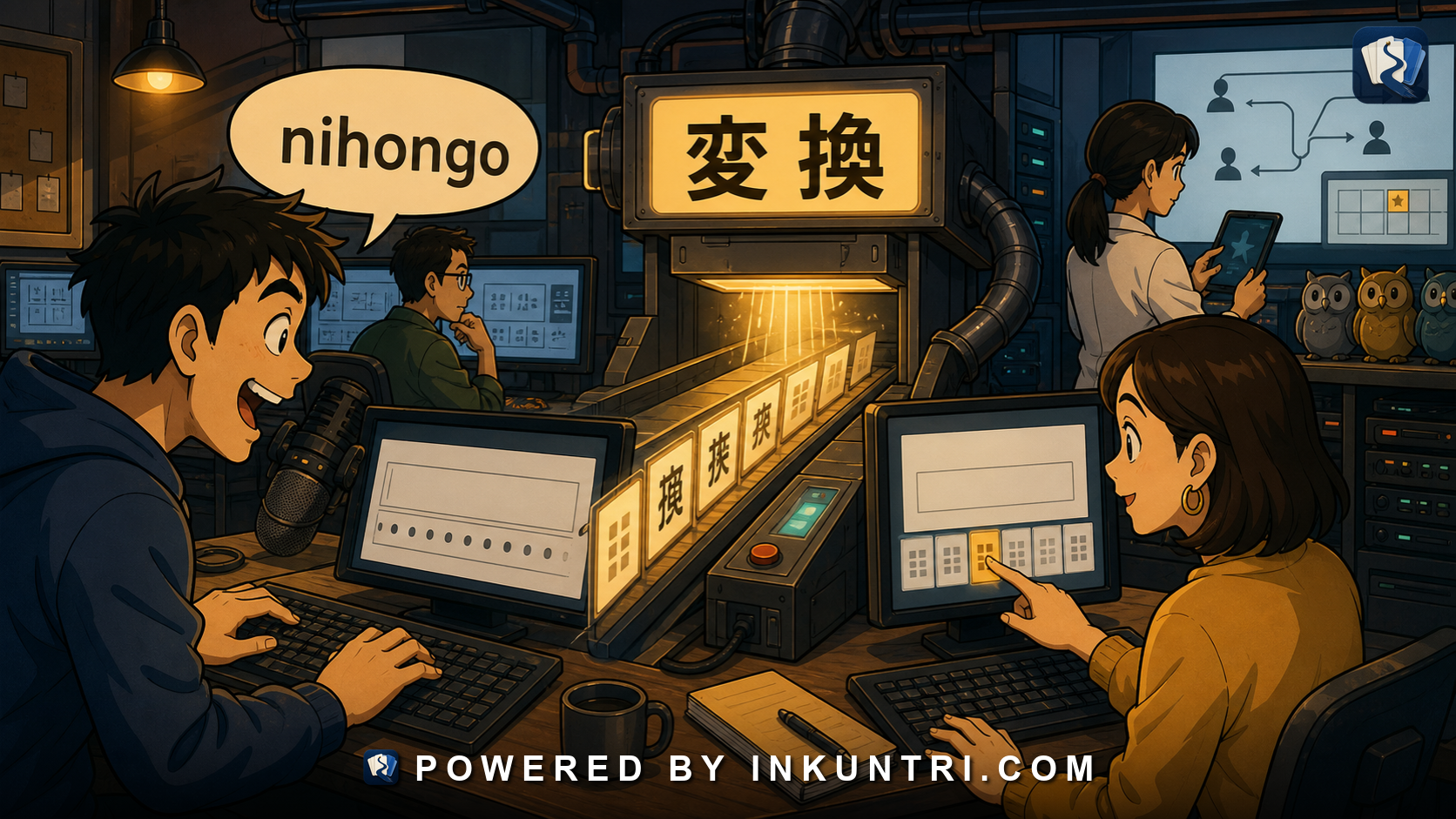
How Japanese Input Methods Influence Modern Writing
The reader can explain how Japanese IMEs influence what people write, how they spell names, and which kanji variants appear.
Quality-Control Reports in Chinese Factories
The reader can parse quality-control reports and inspection language used in Chinese factory and supplier contexts.
Korean Plain, Tense, and Aspirated Consonants Without Bad English Comparisons
The reader can hear and produce Korean plain, tense, and aspirated consonants without relying on misleading English comparisons.
Religious and Shrine Japanese for Visitors and Researchers
The reader can read religious and shrine Japanese respectfully by understanding visitor signs, ritual terms, offerings, festivals, and institutional labels.
How to Read Linguistics Papers About Korean Without Drowning
The reader can approach Korean linguistics papers strategically, extracting useful data, terms, and claims without needing to master every theoretical debate first.
How Classical Chinese Shaped Korean Elite Literacy
The reader can recognize how Classical Chinese shaped Korean elite literacy, Sino-Korean vocabulary, education, moral terminology, historical documents, and modern academic abstraction without confusing Hanja...
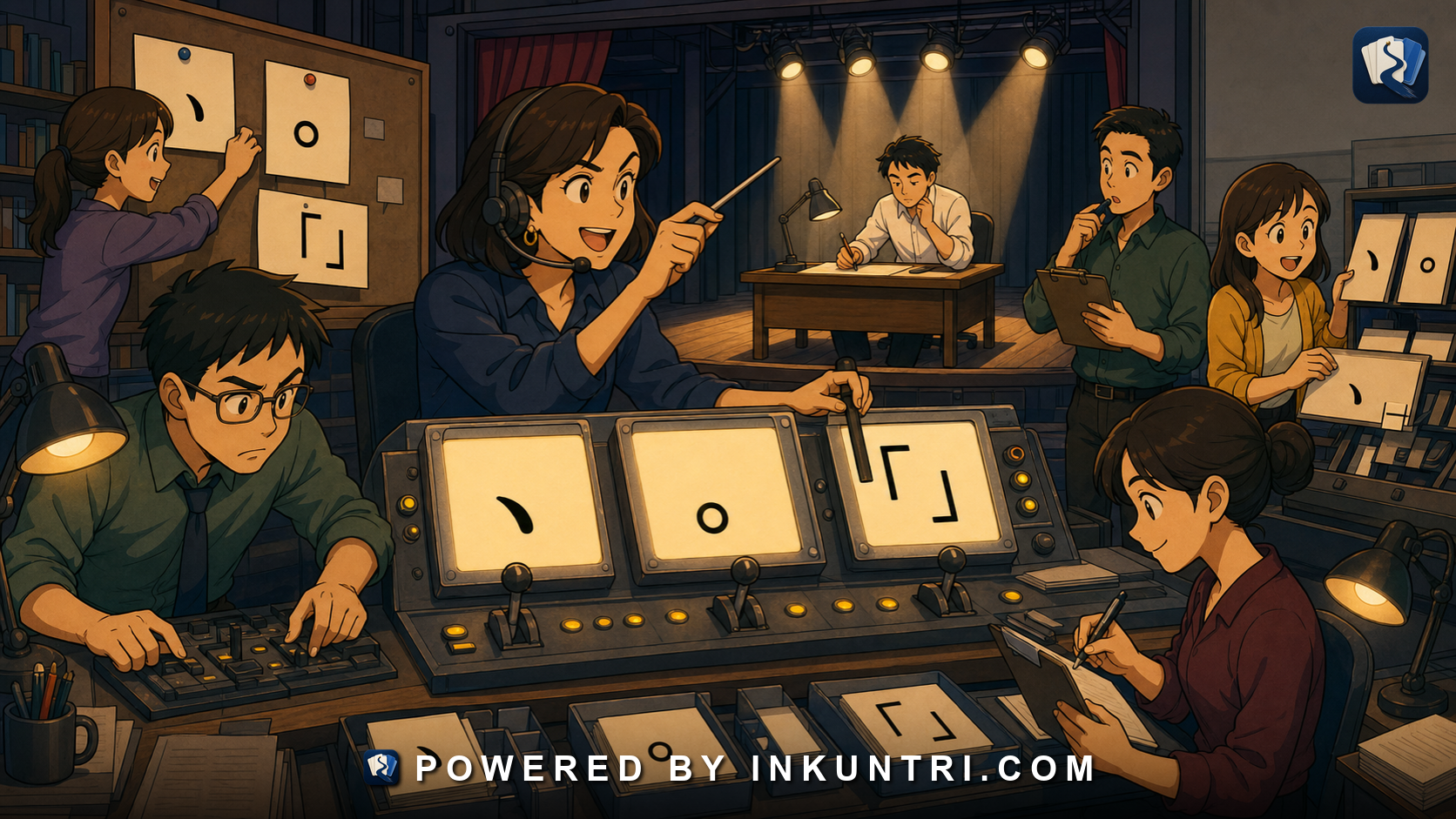
How Japanese Punctuation Shapes Modern Prose
The reader can use Japanese punctuation as a guide to quotation, rhythm, lists, emphasis, and modern prose structure.
Sports Chinese: Match Reports, Standings, and Tactical Vocabulary
The reader can read Chinese sports coverage involving match results, standings, player performance, tactics, and fan commentary.
Causatives in Korean: Authority, Permission, and Agency
The reader can analyze Korean causatives as statements about agency, authority, permission, and responsibility.
Chinese Pronunciation Self-Diagnosis With Recording and Native Models
The reader can diagnose Mandarin pronunciation problems through recording, comparison, targeted drills, and structured feedback rather than vague “tone practice.”
When Japanese Uses Spaces: Children’s Books, Teaching Materials, and UI
The reader can recognize the few contexts where Japanese uses spaces and understand what spacing reveals about audience, pedagogy, and interface design.
Causative and Causative-Passive: Authority, Permission, and Burden
The reader can read causative and causative-passive forms as grammar of authority, permission, obligation, and burden.
The Language of Chinese Museums and Heritage Tourism
The reader can read museum labels, heritage-site signs, tourism copy, and guide narration in Chinese with attention to chronology, authority, and cultural value.
A Serious Learner’s Guide to Chinese Dictionaries
The reader can use Chinese dictionaries more deeply by reading definitions, parts of speech, usage notes, examples, synonyms, variants, and register labels.
False Friends Between Korean and Japanese Sino-Xenic Words
The reader can compare Korean–Japanese cognates with enough caution to avoid meaning drift, register mismatch, and grammar transfer.
Engineering Japanese: 仕様, 公差, 図面, 検査
The reader can read engineering Japanese by connecting specifications, drawings, tolerances, inspection, and requirements.
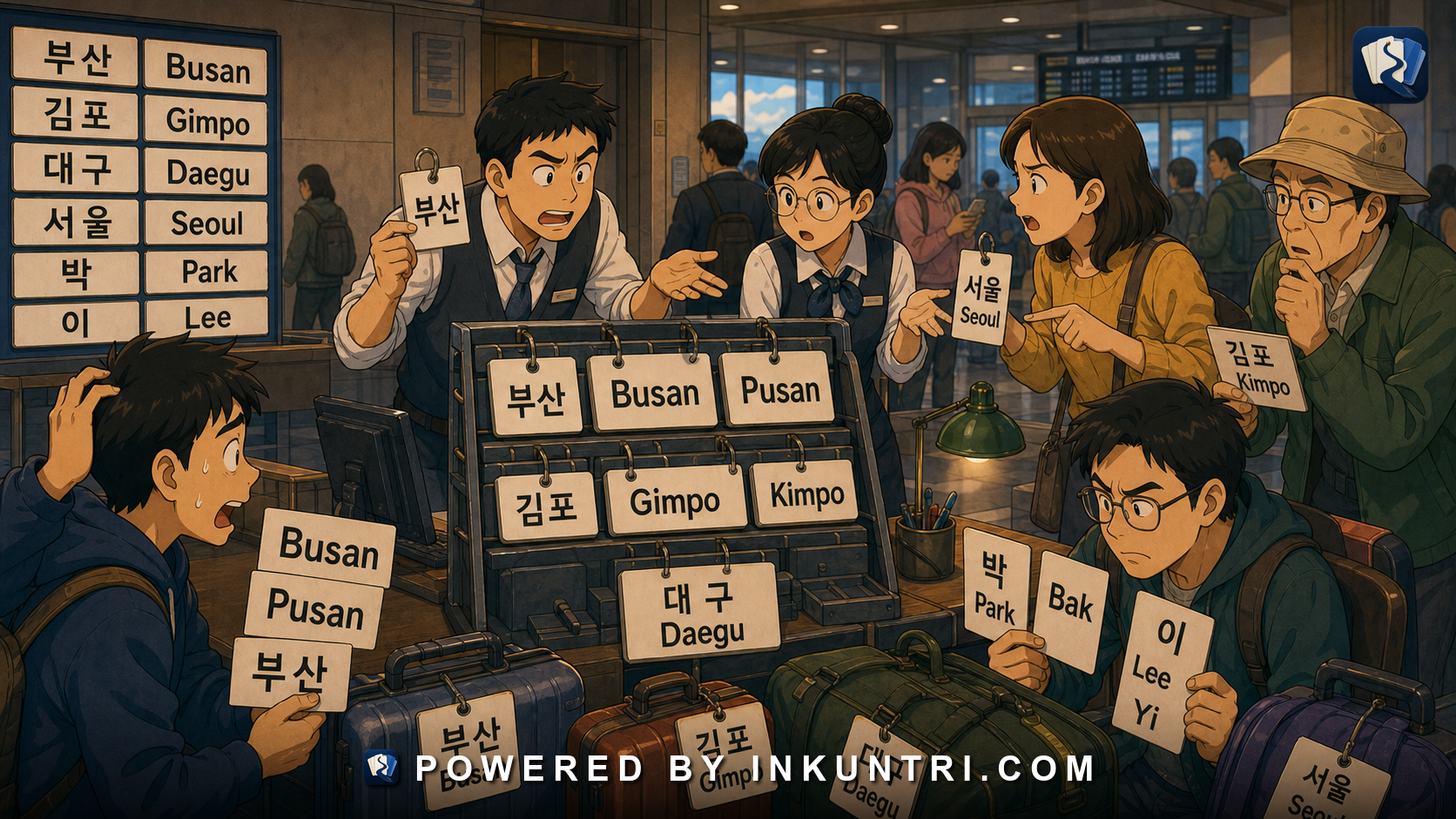
Korean Romanization Systems and Why They Frustrate Everyone
The reader can navigate Korean romanization without confusing it with Korean spelling or pronunciation itself.
Religious and Temple Korean for Visitors and Researchers
The reader can read Korean religious-site and temple language around buildings, rituals, offerings, etiquette, cultural heritage, events, temple stays, and visitor conduct without exoticizing the domain.
The May Fourth Language Shift and the Rise of 白话
The reader understands how modern written Chinese emerged from debates over education, literature, modernization, and accessibility.
Designing Japanese Anki Cards for Kanji, Vocabulary, Pitch, and Context
The reader can design Japanese Anki cards that train recognition, production, kanji, vocabulary, pitch accent, and context without creating bloated review debt.
Tea, Cafés, and Contemporary Korean Social Vocabulary
The reader can read café language as everyday Korean social practice, not just beverage vocabulary.
Sentence Rhythm in Korean: Eojeol, Particles, and Breath Groups
The reader can understand Korean sentence rhythm through eojeol grouping, particles, verb endings, and breath units.
From Flashcards to Literacy: When Chinese Study Must Leave the Card
The reader can recognize when flashcards are helping and when they are delaying real Chinese literacy, then shift toward connected reading and listening.
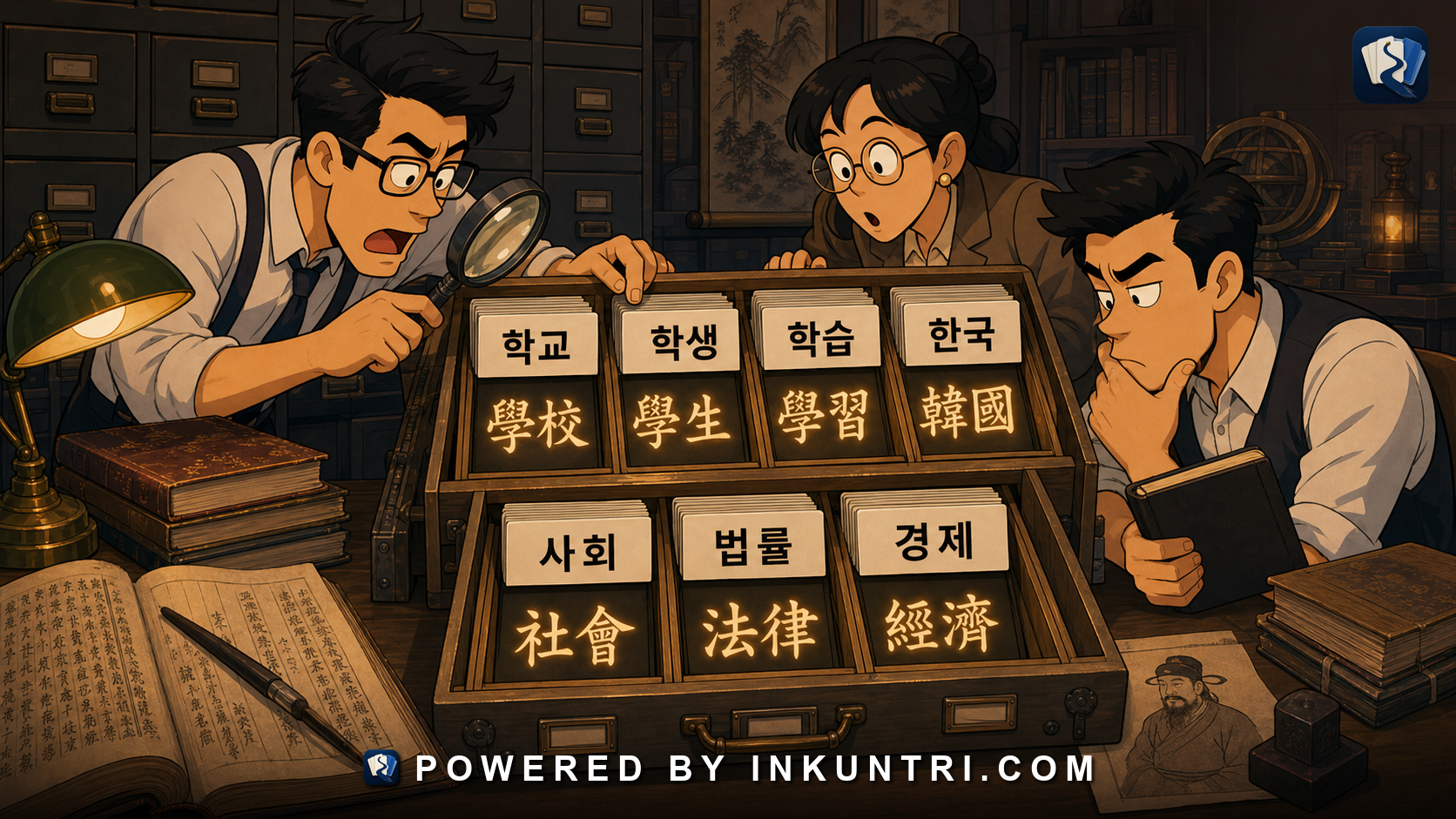
Hanja Beneath Hangul: The Hidden Sino-Korean Layer
The reader can recognize the Sino-Korean layer behind Hangul words without needing to become a full Hanja reader on day one.
Ainu Language in Japanese Cultural Memory and Policy
The reader can understand Ainu language as part of Japan’s linguistic landscape, cultural memory, and policy conversation.
How Chinese Speakers Use Titles Instead of Names
The reader can understand why Mandarin speakers often address people by title, role, kinship term, or nickname rather than personal name.
Food Vocabulary Through Cooking Verbs: 굽다, 끓이다, 볶다, 찌다, 튀기다
The reader can decode Korean menus and food writing through cooking verbs, derived dish nouns, texture expectations, and common collocations.
Korean Sound Change Rules as Listening Tools, Not Trivia
The reader can use Korean sound-change rules as practical listening predictions rather than trivia to memorize in isolation.
ている: Ongoing Action, Result State, Habit, and Experience
The reader can choose the right reading of ている by distinguishing ongoing action, result state, habit, experience, and identity-like states.
Science News Japanese: Breakthroughs, Caution, and Hype
The reader can read Japanese science-news language while distinguishing discovery, hypothesis, experimental result, expert caution, institutional press release, and media hype.
Concession and Contrast: 虽然, 但是, 不过, 然而, and 反而
The reader can express contrast, concession, correction, and unexpected reversal with appropriate register.
Designing Chinese Anki Cards for Words, Characters, and Collocations
The reader can design Chinese flashcards that train recognition, pronunciation, meaning, collocation, character form, and contextual use without turning review into trivia.
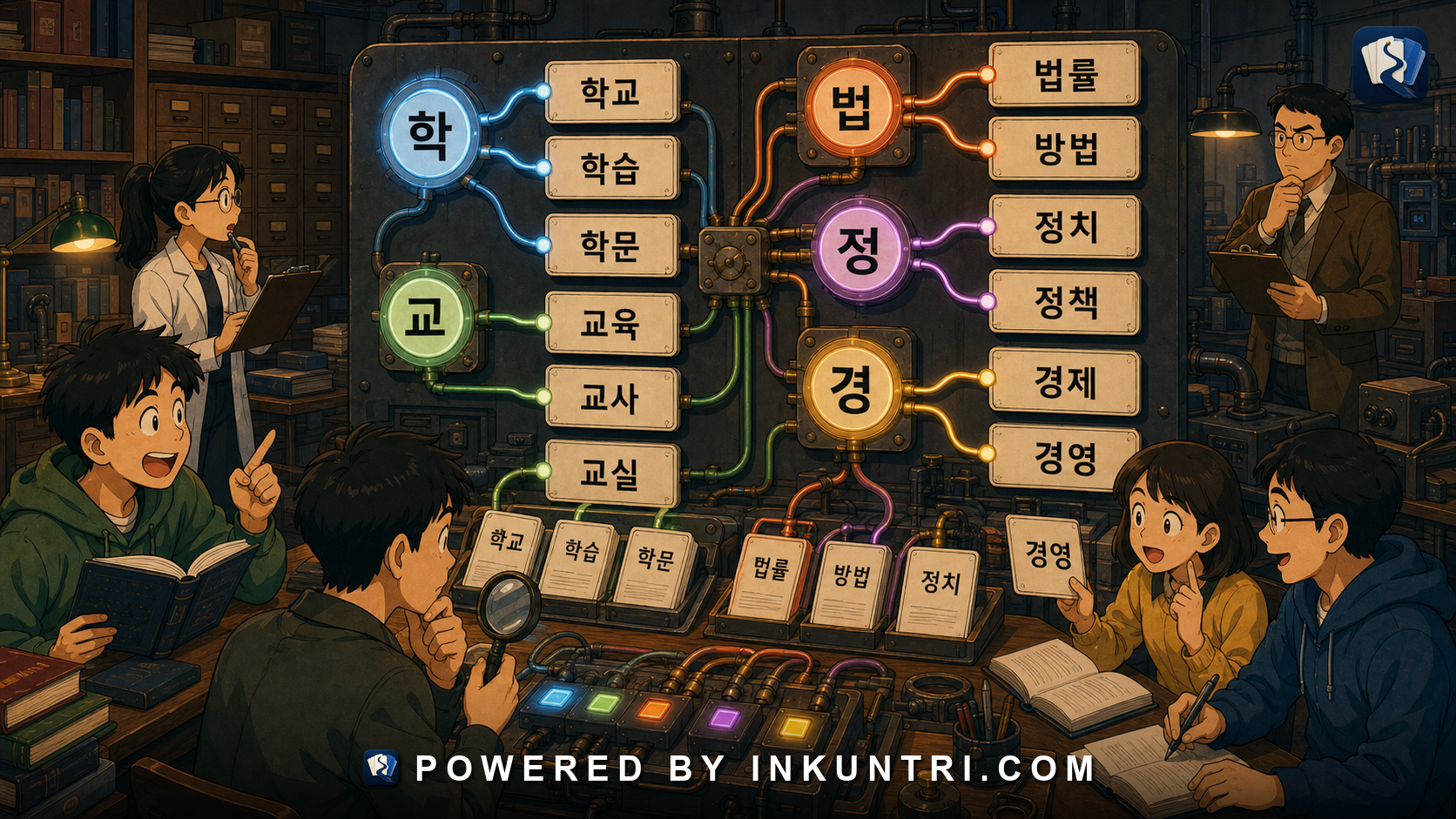
Sino-Korean Character Families Without Requiring Full Hanja Literacy
The reader can build Sino-Korean word families from recurring syllables without requiring full Hanja literacy.
Fintech Korean: 결제, 본인확인, 신용평가, 이상거래탐지
The reader can approach Korean fintech screens and notices by identifying payment, identity verification, credit evaluation, fraud detection, consent, terms, approvals, cancellations, and platform risk language.
Annual Reports in Korean: 매출, 영업이익, 당기순이익, 전망
The reader can read Korean annual reports and earnings articles by separating revenue, operating profit, net income, year-on-year comparison, consolidated basis, losses, turnaround language, and outlook framing.
Chinese News About Science: Breakthroughs, Caution, and Hype
The reader can read Chinese science news critically, separating reported findings, institutional publicity, cautious expert language, and exaggerated breakthrough framing.
Medical Sino-Korean Terms and Their Chinese/Japanese Counterparts
The reader can use medical Sino-Korean vocabulary for recognition while avoiding unsafe medical inference across Korean, Chinese, and Japanese sources.
Telecom Japanese: 5G, 基地局, 周波数, 通信障害
The reader can read Japanese telecom language around 5G, base stations, frequencies, outages, coverage, and service quality.
A Research Stack for Japanese Learners: Corpora, Dictionaries, White Papers, Archives
The reader can assemble a Japanese research stack using corpora, dictionaries, official white papers, archives, news databases, and domain sources.
Tracking Japanese Listening Progress With Real Audio
The reader can track Japanese listening progress using real audio, transcripts, comprehension targets, error categories, and repeated measurement.
How to Build a Kanji Component Notebook That Respects Japanese Readings
The reader can build a kanji component notebook that uses radicals and components without pretending they determine Japanese meanings or readings mechanically.
Using Speech Recognition Carefully for Korean Pronunciation
The reader can use speech recognition as a Korean pronunciation aid without treating it as an objective pronunciation judge.
Kanji Component Analysis Without Fake Etymology
The reader can use kanji components for memory and lookup while avoiding made-up etymologies that teach false history.
Memes, Homophones, and Political Caution in Chinese Online Culture
The reader can understand how Chinese online users use homophones, euphemisms, abbreviations, and layered jokes to manage sensitivity, moderation, and community recognition.
The Vocabulary of Chinese Food Culture: 烹, 炒, 炖, 蒸, 煮
The reader can read menus and food writing through cooking verbs, ingredient categories, regional terms, and texture vocabulary.
Korean Pronunciation Self-Diagnosis With Recording and Native Models
The reader can diagnose Korean pronunciation problems using recordings, minimal pairs, native models, and targeted feedback rather than vague accent anxiety.
CJK Numerals, Counters, and Measure Words: Similar Surface, Different Grammar
The reader can compare Chinese measure words with Japanese counters and Korean counters without flattening the three systems into one.
Software UI Chinese: Buttons, Empty States, Errors, and Confirmation
The reader can interpret Chinese software interface text, including action buttons, empty states, error messages, confirmations, and status labels.
Building a Mandarin Reader Workflow From News, Documents, and Literature
The reader can build a sustainable Mandarin reading workflow that combines current news, practical documents, essays, and literature without drowning in vocabulary.
Cybersecurity Korean: 취약점, 공격, 방어, 개인정보 유출
The reader can approach Korean cybersecurity notices by identifying vulnerabilities, attacks, defense, personal-data leaks, malware, patches, incidents, phishing, and security advisories.
了1 and 了2: Why One Character Does Two Different Jobs
The reader can distinguish verb-suffix 了 from sentence-final 了 and understand how they interact.
National Language Policy and the Idea of Kokugo
The reader can understand kokugo as a national-language idea with educational, political, and cultural consequences.
When CJK Comparison Helps Korean Learners and When It Becomes Noise
The reader can decide when Chinese/Japanese comparison accelerates Korean learning and when it creates false friends, grammar transfer, register mistakes, or institutional confusion.